


Linear Heat Detection Company in Dammam
Global Sensing Company (GSC) provides specialized solutions as a Linear Heat Detection Company in Dammam, supporting industrial and commercial facilities across Saudi Arabia. Our services cover Industrial Heat Detection Dammam applications, including Factory Fire Detection Dammam, Heat Detection Cable Retrofit Dammam, and Linear Heat Detection for Oil and Gas in Dammam. Our engineering scope includes system design, installation, testing, commissioning and maintenance for industrial fire detection requirements.
GSC helps industrial buyers assess these requirements before finalizing their detection system specifications.
Request a Quote
APPLICATION ARCHITECTURE
Industrial Heat Detection Dammam – Solutions for Industrial Facilities
Dammam’s industrial economy is closely connected to manufacturing, energy operations and port logistics. Facilities across these sectors often contain extended cable routes or equipment where monitoring heat at individual points may not provide the required coverage.
Linear heat detection cables can support early fire warning along these designated routes, subject to the selected technology and approved engineering design.
What Is Linear Heat Detection for Industrial Facilities in Dammam?
Conveyors
Drive & Rollers
Warehouses
Racks & Logistics
Industrial
Plants & MODON
Cable Trays
High-Voltage Runs
ENGINEERING LIFECYCLE • END-TO-END CAPABILITY
Linear Heat Detection Services in Dammam
Site Assessment
We review the protected asset, installation route, operating temperature, environmental conditions, and existing fire alarm infrastructure across Dammam factories.
System Design
We define sensing cable routes, detection zones, controller locations, and required system interfaces according to NFPA and SBC 801 fire codes.
Cable Selection
The sensing cable is selected against the actual operating environment, alarm requirements, maximum continuous heat, and manufacturer specifications.
Installation
The cable is routed and secured along the intended hazard using an approved mounting method appropriate for the industrial machinery and environment.
System Integration
Alarm and fault information is connected to compatible fire alarm, BMS or monitoring systems where required across Eastern Province plants.
Testing and Commissioning
We verify cable integrity, alarm response, faults, zone identification, and required interfaces before project handover.
Maintenance Support
The installed system can be included in ongoing inspection, testing, and fire protection maintenance requirements.
CRITICAL ASSET PROTECTION • DAMMAM INDUSTRIAL SECTORS
Target Industrial Risk Environments
ELECTRICAL INFRASTRUCTURE
Electrical Cable Tray Fire Detection
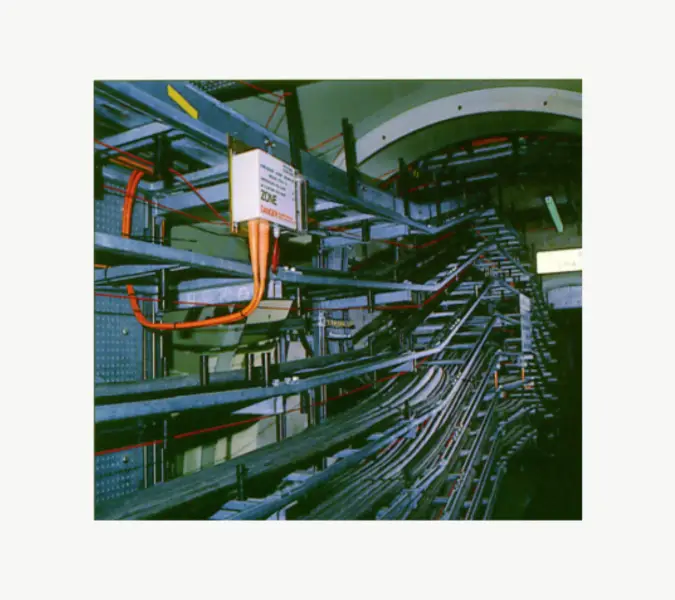
A suitable heat detection cable arrangement can monitor selected tray routes where overheating or fire could threaten electrical infrastructure.
GSC’s engineering scope can include reviewing cable routing, identifying detection zones and assessing the connection to existing alarm equipment.
Normal operating temperatures, ventilation and tray accessibility all influence the design.
The intended result is an identifiable detection zone that helps the maintenance team locate the affected equipment.
SCOPE FOCUS
MATERIAL HANDLING
Conveyor Belt and Machinery Protection
Heat-sensing cables positioned near identified hazards can provide monitoring along selected conveyor sections.
Cable routing must account for moving components, mechanical guards, cleaning procedures and maintenance access.
We would argue against choosing a detection route simply because it is easy to install. The sensing cable needs to be positioned according to the actual fire risk and manufacturer requirements.
SCOPE FOCUS
OPERATIONAL PLANT UPGRADE
Heat Detection Cable Retrofit for Existing Factories
Older industrial facilities may have limited spare alarm inputs or cable trays that are difficult to access while equipment remains operational.
GSC can assess the proposed installation scope, identify interface requirements and review relevant access restrictions before a quotation is finalized.
This provides a more reliable basis for equipment selection and project scheduling.
SCOPE FOCUS
OPERATIONAL RELIABILITY • EASTERN PROVINCE OIL & GAS
How We Help Reduce Unwanted LHD Alarms in Industrial Environments
Engineering Parameters for False Alarm Prevention
- ✔ Normal operating temperature of the protected area: Establishing true thermal baselines under full production.
- ✔ Maximum expected temperature under worst-case conditions: Peak summer solar exposure and machinery heat loads.
- ✔ Detector alarm rating suited to the application: Selecting fixed or rate-of-rise response thresholds.
- ✔ Ambient environmental conditions: Dust, humidity, saline atmosphere, chemicals, and mechanical vibration.
- ✔ Cable position relative to the heat source: Optimum convection proximity without risking mechanical abrasion.
- ✔ Installation method and mounting hardware: Symmetrical spacing clips preventing cable pinching or tension.
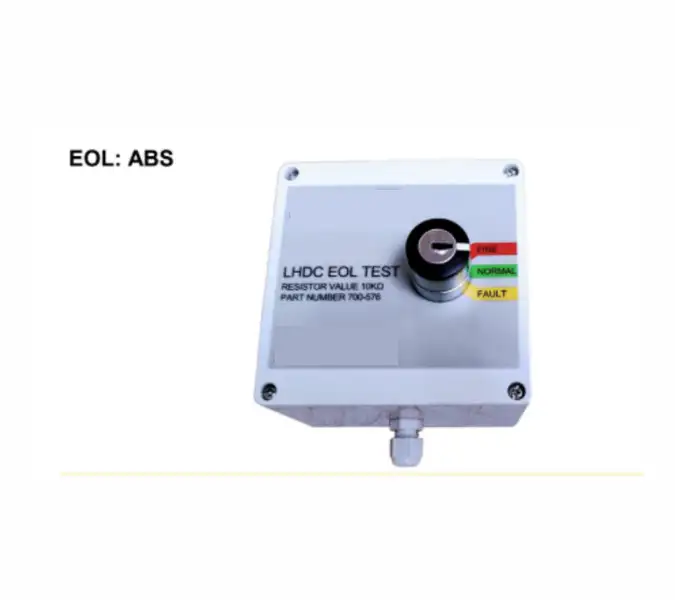
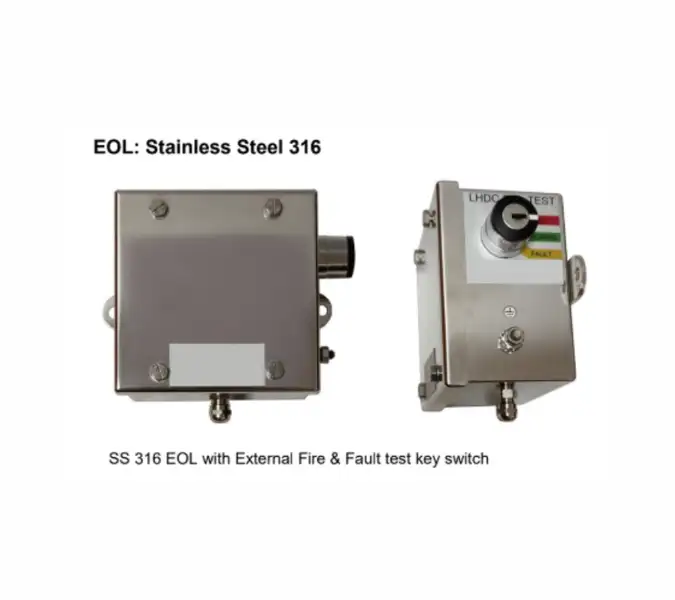
- ✔ Controller configuration and settings: Verified end-of-line supervision and fault vs alarm discrimination.
- ✔ Zone design and coverage layout: Clear demarcation of physical plant zones for rapid emergency response.
Linear Heat Detection for Oil and Gas Facilities in the Eastern Province
The region is closely associated with Saudi Aramco and an extensive energy-sector supply chain. Projects in this sector can involve hazardous-area classifications, controlled work permits and strict equipment approval procedures.
Linear heat detection applications may include electrical cable galleries, selected process equipment and protected routes around industrial machinery.
Before specifying equipment, the project team should review the facility’s fire risk assessment, approved drawings and relevant operator specifications.
Rim Seal Fire Detection for Floating-Roof Storage Tanks
The design requires particular attention to roof movement, equipment exposure and cable or sensing-element installation. A rim-seal detection system is separate from the fire extinguishing arrangement. Where foam protection is required, the design should consider applicable requirements of NFPA 11 and the facility’s approved fire protection philosophy.
Not every linear heat detection product is suitable for tank rim-seal protection. Product approval, hazardous-area suitability and compatibility with the proposed suppression controls must be verified before selection.
[VERIFY: Confirm that GSC supplies or installs an approved rim-seal detection solution before advertising this application as a delivered service.]
Cable Tunnels and Oil and Gas Electrical Infrastructure
The engineering review should consider ventilation, cable arrangement, equipment access and the required alarm-zone identification.
For Saudi Aramco-related projects, the applicable Saudi Aramco Engineering Standards and project specifications must be identified from the contract documents. Vendor registration alone does not establish approval of a particular detector or installation.
ENGINEERING SELECTION MATRIX • AMBIENT OPERATING ENVELOPE
Choosing Heat Detection Cable for Dammam's High Temperatures
Temperature Range & Thresholds
The detector needs to suit normal operating temperatures as well as the required alarm response. The engineering assessment distinguishes between maximum continuous operating temperature and alarm activation temperature.
Installation Environment
Indoor, outdoor, dusty, humid or corrosive conditions can affect the required cable specification. Mechanical and environmental resistance ensures the outer sheath withstands moisture, chemicals, sunlight or physical abrasion.
Hazard Type
Cable trays, conveyors, pipelines and warehouse routes do not automatically need the same detection approach. Normal equipment heat produced by machinery during routine operations must be accurately mapped.
Route Length and Layout
Long routes, bends, access points and physical obstructions affect design and zoning. Distance-locating digital cables allow operators to pinpoint thermal anomalies to within one metre along kilometer-long industrial runs.
Detection Requirements
The fire strategy determines how an alarm needs to be detected, identified and communicated. A system must not be selected solely because its activation temperature exceeds local outdoor temperatures — approved risk assessments rule.
System Integration
The selected controller needs to provide the interfaces required by the existing fire alarm or monitoring system. Supervised addressable input modules or digital Modbus networks ensure seamless control-room visibility.
SYSTEM ARCHITECTURE • COMPLETE HARDWARE DECK
Linear Heat Detection Solutions in Dammam
Sensing Cable
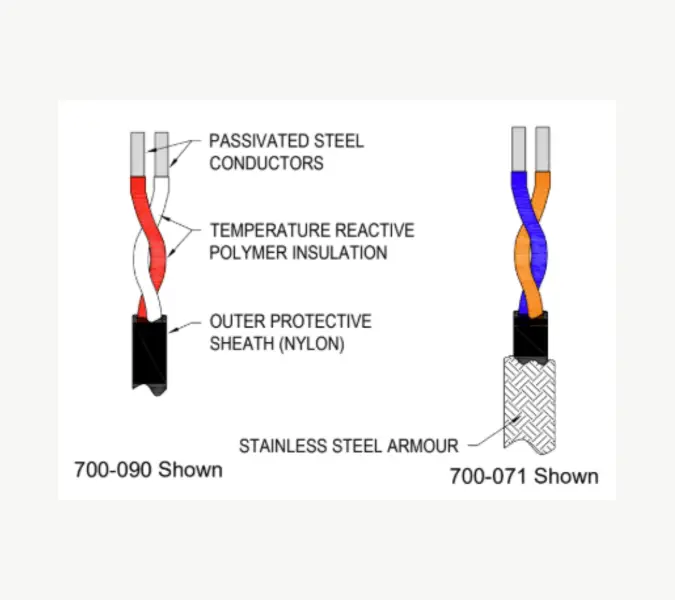
The core detection element installed along the protected asset. It continuously monitors temperature changes along cable trays, conveyors, pipelines and other critical routes across Dammam facilities.
LHD Controller
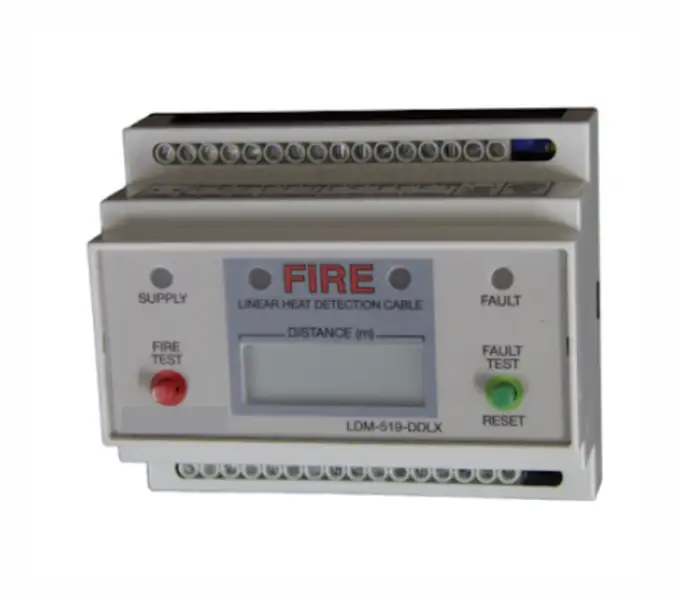
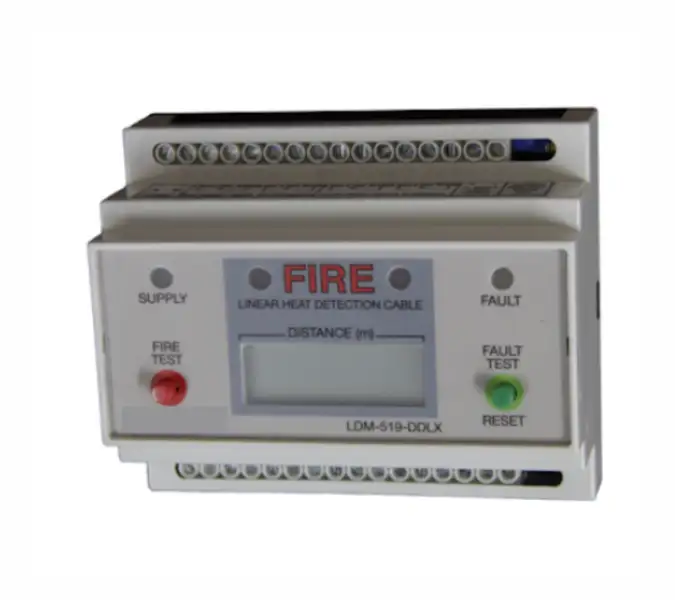
The central unit that processes signals from the sensing cable and provides clear alarm and fault information. Controller selection depends on the cable type, zone requirements and system configuration.
Detection Zones
Divides the protected route into defined sections for easier alarm identification and faster response. Proper zoning helps operators identify the affected area when an alarm occurs.
Fire Alarm Interfaces
Connects the LHD system with compatible fire alarm equipment, allowing alarm and fault conditions to be communicated to the facility's existing fire protection system.
BMS or Monitoring Interfaces
Provides system status and monitoring information through supported interfaces. This can help integrate LHD status with building management or centralized monitoring systems where required.
Installation Hardware
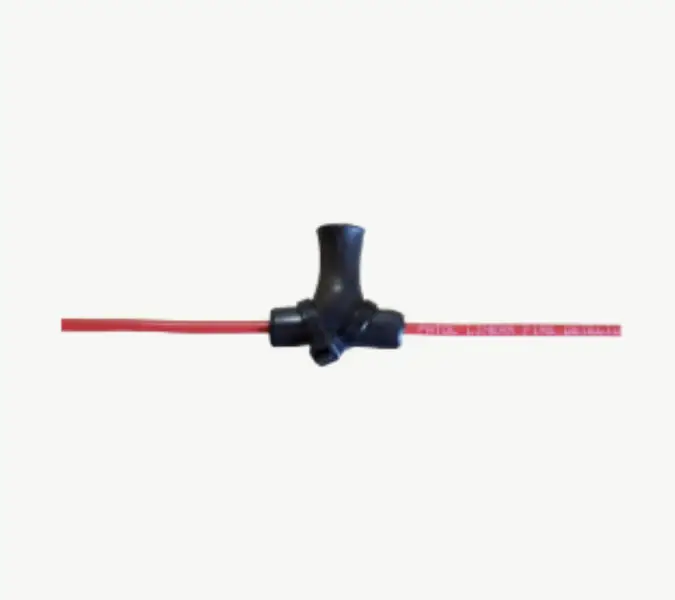
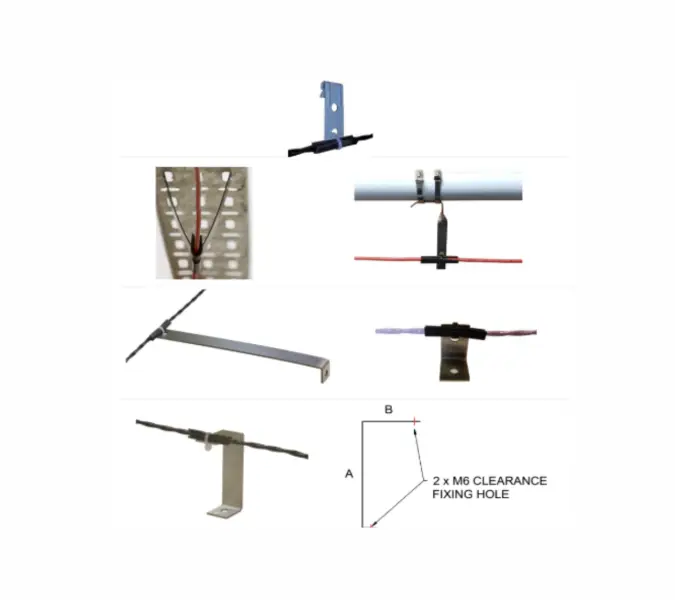
Includes clips, brackets, fixings and other mounting accessories required to secure the sensing cable correctly. Hardware is selected according to the installation route and operating environment.
Testing and Commissioning Documentation
Documents system testing, zone verification, alarm settings and commissioning activities. This helps confirm that the installed LHD system has been checked against the project requirements.
GEOGRAPHIC SCOPE • EASTERN PROVINCE INDUSTRIAL CITIES
Linear Heat Detection for Oil and Gas in Dammam and Industrial Applications
Dammam First Industrial City
Dammam Second Industrial City
Dammam Third Industrial City
Linear Heat Detection for Jubail Industrial City and Petrochemical Facilities
Facilities in the Jubail industrial area include petrochemical operations, supporting utilities and extensive electrical infrastructure.
For these projects, linear heat detection can be evaluated for applications such as:
- Electrical cable galleries and selected power distribution routes.
- Industrial conveyor systems and material-handling equipment.
- Mechanical equipment with identifiable overheating risks.
- Utility installations with restricted monitoring access.
- Selected storage and processing infrastructure requiring continuous heat detection.
The industrial fire detection requirements of a Jubail petrochemical facility should not be assumed to match those of a general commercial warehouse in Dammam.
Linear Heat Detection for Electrical Substations and Cable Infrastructure
Substations and cable tunnels operated by utilities or industrial facility owners can involve high-voltage equipment and restricted access.
For such projects, the proposed detection equipment must be selected according to the approved electrical and fire protection design.
Where Saudi Electricity Company (SEC) specifications apply, the contractor must establish the relevant project requirements before selecting controllers, sensing cables or alarm interfaces.
A suitable solution should allow facility operators to identify affected detection zones without compromising the electrical installation’s safety arrangements.
GSC’s engineering assessment can address route planning and potential alarm integration, subject to the selected equipment’s technical capabilities.
Compliance: SEC Specifications • High-Voltage Safety Zoning
OPERATIONAL PLANNING • INSTALLATION METHODOLOGIES
Heat Detection Cable Retrofit Dammam vs New Linear Heat Detection Installation
| Project Consideration | Retrofit in Operating Facility | New Facility Installation |
|---|---|---|
| Cable Routing | Must account for installed machinery and access restrictions | Can be coordinated with planned electrical routes |
| Fire Alarm Interfaces | Existing panel compatibility must be checked | Monitoring requirements can be included in the design |
| Installation Scheduling | May require shutdowns or equipment isolation | Can follow construction access arrangements |
| Detection Zoning | Based on existing equipment and maintenance responsibilities | Can follow planned production layouts |
| Testing | Must be coordinated with operating teams | Can be integrated into project handover |
| Documentation | Existing drawings may require updates | Approved drawings can be prepared during design |
CONTROL ARCHITECTURE • MULTI-VENDOR INTEROPERABILITY
Factory Fire Detection in Dammam: Alarm Integration and Industrial Monitoring Systems
Honeywell NOTIFIER
Siemens Cerberus PRO
Johnson Controls SIMPLEX 4100ES
Edwards EST4
Schneider Electric EcoStruxure
Siemens WinCC
AVEVA System Platform
Rockwell FactoryTalk View SE
Global Sensing Company Credentials and Industrial Procurement Documentation
For Saudi industrial procurement, relevant company registrations and management-system certifications can form part of the technical submission.
Saudi Aramco Registration and ISO Certifications:
- Saudi Aramco vendor registration: Vendor Code 10118931.
- ISO 9001:2015: Quality management system certification, subject to the documented SST certificate scope.
- ISO 45001:2018: Occupational health and safety management certification, subject to confirmation of the issuing body and certificate validity.
Saudi Aramco vendor registration does not itself establish approval for a particular project, product or fire protection installation.
For industrial procurement, the project submission should include the applicable company registration documents, technical specifications and manufacturer approvals requested by the buyer.
Saudi Fire Safety Requirements for Linear Heat Detection in Dammam
The relevant framework may include the Saudi Fire Protection Code (SBC 801), Civil Defense requirements and any additional specifications applicable to the industrial facility.
For projects involving petroleum storage or specialized industrial hazards, the approved design may reference international standards such as NFPA 30 or NFPA 11.
The applicable editions and specific clauses must be confirmed against the project documents. These standards are not interchangeable, and their use does not automatically establish approval of an LHD product.
Official technical references include:
- Saudi Fire Protection Code, SBC 801
- Saudi Civil Defense
- NFPA 11, Standard for Low-, Medium-, and High-Expansion Foam
The responsible engineering and installation teams should establish permit requirements, inspection arrangements and acceptance testing before work begins.
COMMERCIAL TRANSPARENCY • PRICING IN SAR
Linear Heat Detection Cost in Dammam
The main cost factors include:
- Sensing cable length: Longer routes generally require more cable, mounting accessories and labour.
- Detection technology: Digital, analogue and distributed sensing systems have different equipment requirements.
- Hazardous-area requirements: Projects requiring specially approved equipment may involve additional technical constraints and cost.
- Existing fire alarm compatibility: Suitable existing inputs may reduce the need for interface equipment.
- Installation access: Elevated trays, restricted equipment areas and shutdown arrangements can increase installation effort.
- Testing and documentation: Inspection, witnessed testing and technical handover requirements affect the engineering scope.
Prices should be expressed in Saudi riyals (SAR), with the applicable 15% VAT clearly identified.
QUOTATION READINESS • SCOPE SUBMISSION
What to Include in Your Dammam Linear Heat Detection Enquiry
The most useful information includes:
- Facility location and industrial area.
- Type of equipment requiring heat detection.
- Approximate sensing cable route length.
- Existing fire alarm panel manufacturer and model.
- Normal equipment temperature and environmental conditions.
- Hazardous-area classification, where applicable.
- Available electrical and fire protection drawings.
- Maintenance shutdown requirements and preferred project schedule.
Final sensing cable selection and system design must still be verified against site conditions.
Explore Our Products
REGIONAL COVERAGE • EASTERN PROVINCE INDUSTRIAL CORRIDOR
Linear Heat Detection Project Enquiries Across Dammam and the Eastern Province
GSC can discuss project requirements for facilities in Dammam and the surrounding industrial region, subject to confirmation of site attendance and delivery arrangements.
Areas relevant to project enquiries include Dammam First Industrial City, Dammam Second Industrial City, Dammam Third Industrial City, Al Khalidiyah, Al Khodaryah and King Abdulaziz Port.
For wider regional applications, industrial buyers in Dhahran, Al Khobar and Jubail can also request an assessment of service availability.
If you’re comparing detector technologies or supplier options at a national level, visit our linear heat detectors in Saudi Arabia page.
For projects in western Saudi Arabia, our linear heat detection installation in Jeddah page provides information specific to that market.
This Dammam page focuses on industrial applications, Eastern Province operating conditions and project quotation requirements.
TECHNICAL KNOWLEDGE BASE • COMMON INQUIRIES
Frequently Asked Questions
How much does a linear heat detection system cost in Dammam?
Linear heat detection costs in Dammam depend on cable length, monitoring equipment, hazardous-area requirements and installation access. Operating factories may also need additional shutdown coordination and testing. A quotation should identify the sensing equipment, fire alarm interfaces and commissioning scope, with the applicable Saudi VAT clearly stated.
How long does linear heat detection installation take in Dammam?
Linear heat detection installation in Dammam depends on the protected route, facility conditions and equipment availability. An operating factory may require scheduled isolation of machinery or electrical systems. The project duration should be established after reviewing drawings, access restrictions, engineering requirements and the facility’s approved testing arrangements.
Is linear heat detection suitable for oil and gas facilities in the Eastern Province?
Linear heat detection may be suitable for selected oil and gas applications around Dammam, including cable galleries, industrial machinery and defined electrical routes. Suitability depends on the fire risk assessment and hazardous-area classification. Projects involving storage tanks or process equipment require approved engineering designs and equipment selected for the actual hazard.
Can linear heat detection be used for floating-roof tank rim-seal protection?
Rim-seal fire detection can use appropriately engineered continuous sensing technology to monitor the seal perimeter of certain floating-roof tanks. In Dammam and other Eastern Province petroleum facilities, the design must consider tank movement, hazardous-area requirements and any associated extinguishing system. Product suitability and GSC’s specific delivery capability require confirmation.
Does Global Sensing Company supply and install LHD systems in Dammam and Jubail?
Global Sensing Company offers linear heat detection engineering services in Saudi Arabia. Businesses in Dammam and Jubail can submit their project requirements for review. Site attendance, equipment availability and installation responsibilities should be confirmed for each location before a quotation or service schedule is finalized.
Can heat detection cables withstand Dammam's high summer temperatures?
Heat detection cables for Dammam must be selected according to the actual operating environment, including ambient heat, sunlight exposure and normal equipment temperatures. The sensing cable’s continuous operating temperature and alarm activation temperature are separate specifications. Manufacturer ratings and the approved engineering design determine whether a particular cable is suitable.
Can an existing fire alarm panel support a new linear heat detection system?
An existing fire alarm panel in a Dammam facility may support linear heat detection when compatible monitoring interfaces are available. The engineering review should check alarm supervision, fault reporting and detection-zone identification. Changes to the existing approved fire protection design may require further technical review or authorization before installation.
Does linear heat detection require cloud storage or Saudi data residency?
Conventional linear heat detection installations in Dammam can operate through local controllers without requiring cloud storage. If remote monitoring or personal information is introduced, the proposed architecture should be reviewed against applicable Saudi data protection requirements. The need for data residency controls depends on the information processed and the system configuration.