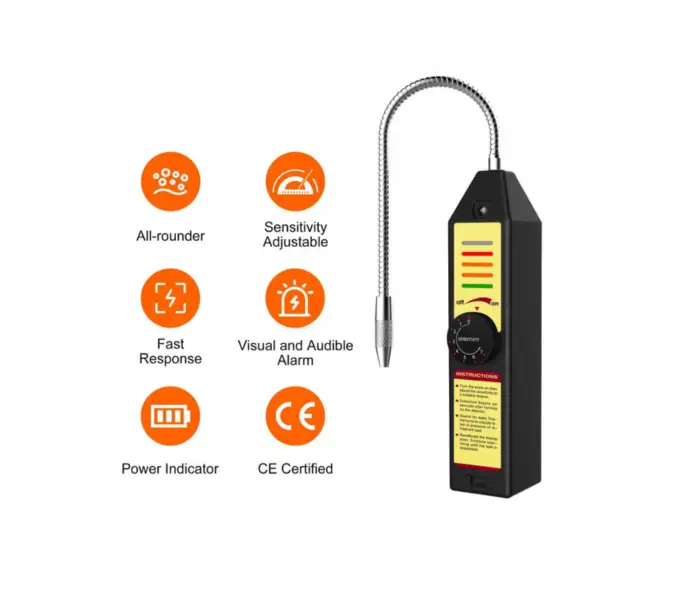
As a trusted gas detection company in Dammam, Global Sensing provides industrial-grade solutions for oil & gas, petrochemical, refinery, and high-risk facilities across Dammam 2nd Industrial City, Jubail Industrial City, Ras Tanura, and the wider Eastern Province. Our solutions include H2S gas detector Dammam applications, advanced gas leak detector sensors in Dammam, specialized petrochemical gas detector Dammam systems, and continuous fixed gas detector Dammam installations engineered for reliable monitoring of H2S, combustible hydrocarbons, and toxic gases in demanding industrial environments.
The Eastern Province anchors Saudi Arabia’s petrochemical supremacy. Operating across Dammam 2nd Industrial City, Jubail Industrial City, Ras Tanura, and Abqaiq requires purpose-built gas detection hardware engineered against three extreme operational realities.
At concentrations above 100 PPM, Hydrogen Sulphide (H2S) rapidly paralyzes human olfactory nerves within seconds. Personnel can no longer smell the gas, inducing a false sense of security immediately prior to respiratory paralysis and fatality. Mechanical continuous detection is the sole reliable life-safety line.
High ambient temperatures reaching 55°C combined with high operating pipeline pressures accelerate the flashing of C1–C5 light hydrocarbons. Unconfined vapor clouds reach Lower Explosive Limits (LEL) within minutes, requiring high-speed open-path IR and catalytic detection arrays.
Compliance with Aramco General Instructions (GI 2.710 for H2S safety, GI 150.001) and SHEM standards mandates certified SIL 2 minimum loop integrity, dual-sensor voting architecture, and 90-day NIST-traceable bump calibration logs stored in unalterable plant telemetry archives.
Targeted multi-gas analytics platform covering toxic, flammable, and asphyxiating compounds present in Eastern Province heavy process plants.
Sour gas treatment, drilling rigs, oil/gas separation plants (GOSP), and sulfur recovery units.
Methane (CH4), Propane (C3H8), Butane, Ethylene, and vapor pipelines across Jubail complexes.
Claus sulfur recovery units, fertilizer plants, petrochemical refrigeration loops, and scrubbers.
Benzene, Toluene, Xylene (BTX), and volatile chemical solvents in tank farms and loading terminals.
Vessel entries, inert nitrogen-blanketed storage spheres, reactor vessels, pipeline pits, and furnace flue ducts.
In hazardous gas detection, non-compliance means catastrophic liability. Global Sensing Co. aligns system architectures with Saudi Aramco, Royal Commission (RCJY), and international IECEx engineering codes.
Mandatory deployment of dual-voting redundant fixed detectors in classified zones with high-candela blue strobes and 110dB sirens.
Complete engineering for Zone 0, Zone 1, and Zone 2 classified areas with Ex d flameproof and SS316 explosion-proof enclosures.
Certified Safety & Environmental Management (SHEM-08) protocol alignment with full FAT/SAT testing witnessed by QC inspectors.
Compliance with Royal Commission (RCER 2020) in Jubail. Continuous fence-line monitoring of fugitive VOCs, SOx, and NOx.
Unplanned emergency shutdowns in continuous process facilities like Ras Tanura trigger huge losses. Our fast-response arrays detect micro-leaks before ESD trips occur.
Engineered for extreme Persian Gulf coastal salinity, airborne desert sand abrasion, and high ambient thermal profiles (-40°C to +75°C).
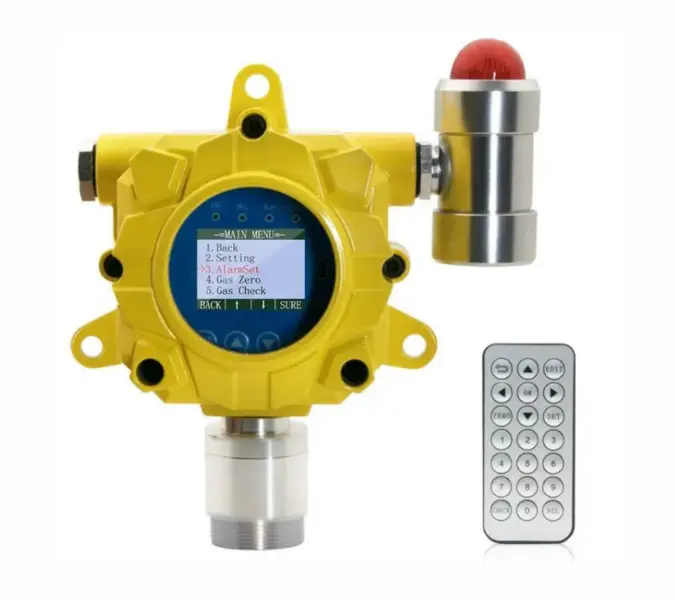
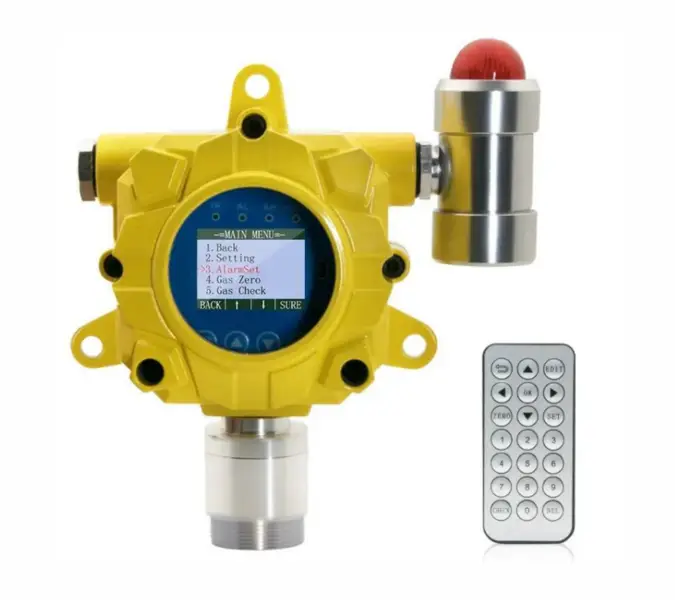
Continuous loop transmitters with magnetic non-intrusive one-man calibration. Eliminates hot work permits during routine calibration. Full 4-20mA analog output with HART 7 protocol, Modbus RS485, and onboard relays.
Heavy-cast explosion-proof housings engineered for harsh sulfurous offshore and onshore refining corridors. Built with electro-polished 316 grade stainless steel to defeat coastal salt-spray pitting.
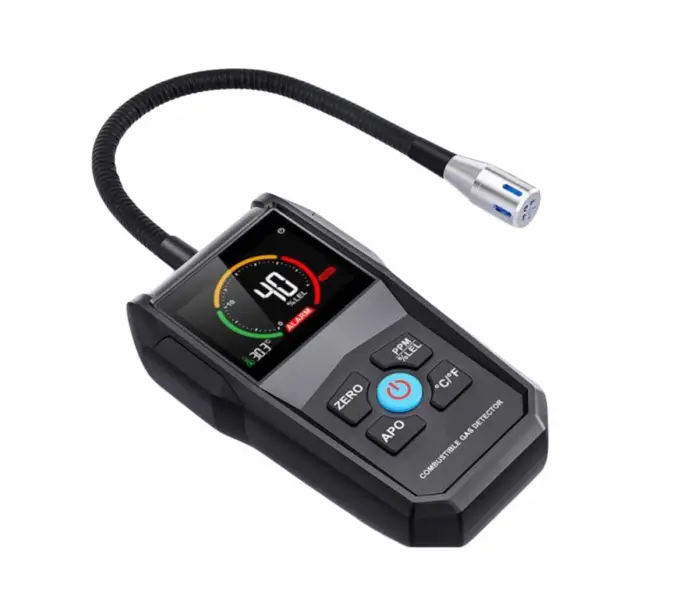
Ultra-rugged 4-gas and 5-gas wearable detectors tailored for plant turnarounds, tank maintenance, and pipeline teams. Includes internal sampling pumps with 30-meter draw capacity and man-down sensors.
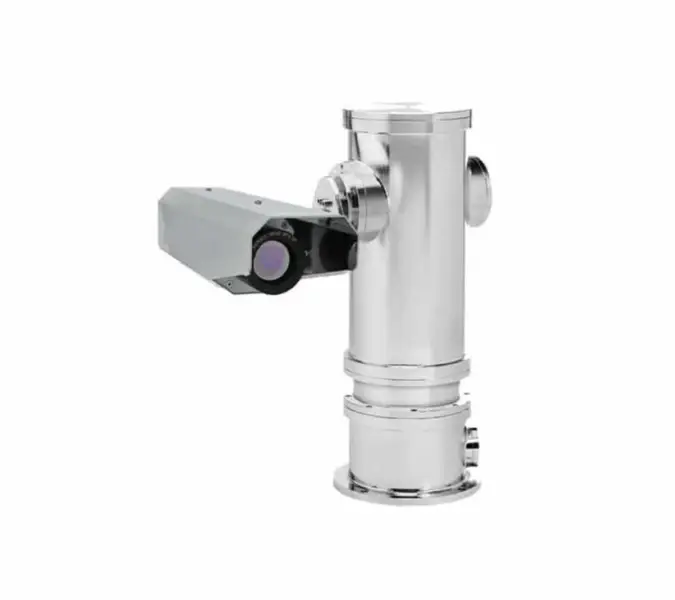
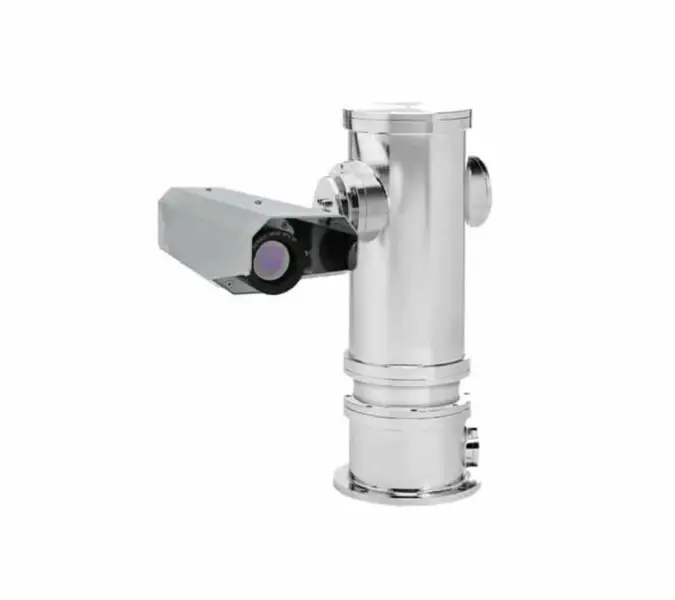
Cooled optical infrared cameras detecting invisible fugitive hydrocarbon leaks across flare lines and flange connections. Paired with Triple IR (IR3) solar-blind flame detectors delivering 60m fire detection.
Tailored engineering configurations meeting the unique risk profiles of Dammam, Jubail, and regional industrial hubs.
Gas Oil Separation Plants (GOSPs), wellhead manifolds, compressor stations, and high-pressure sour gas pipelines across Ghawar and Berri fields.
Fluid catalytic cracking units (FCCU), hydrocrackers, sulfur recovery plants, and diesel hydrotreaters in Ras Tanura and SATORP complexes.
Ethylene crackers, ammonia synthesis loops, methanol synthesis towers, and polymer polymerization halls across Jubail 1 & 2 industrial cities.
Pressurized LPG/NGL storage spheres, refrigerated cryogenic LNG tanks, and floating-roof crude oil tank rim-seal leak perimeter detection.
Ras Tanura crude loading berths, King Abdulaziz Port Dammam cargo jetties, bunker loading arms, and offshore support vessel terminals.
Combined-cycle gas turbine enclosures, hydrogen generator alternator cooling skids, fuel gas skids, and Qurayyah/SWCC plants.
A turnkey execution framework that guarantees zero audit deficiencies with Saudi Aramco, Sabic, and RCJY inspectors.
3D CFD gas dispersion simulations to calculate leak plumes based on Dammam prevailing wind vectors.
Selection of ATEX/IECEx sensor chemistry and calculation of SIL 2 / SIL 3 safety loop budgets.
Execution of certified steel wire armored (SWA) cabling, barrier glands, and conduit by Ex technicians.
Seamless field integration with plant DCS/ESD panels (Honeywell, Emerson DeltaV, Yokogawa Centum).
90-day bump test schedules, NIST-traceable span calibration, and 2-hour Eastern Province on-site dispatch.
Backed by enterprise credentials, local content investments, and certified field engineering teams based directly in Dammam.
Official Saudi Aramco Vendor Identification Code: 10118931. Pre-qualified for critical F&G instrumentation.
Independently audited management systems ensuring strict occupational health, safety, and rigorous technical quality assurance.
Full alignment with the In-Kingdom Total Value Add (IKTVA) program and Vision 2030 industrial localization mandates.
Comprehensive warehouse stocking of electrochemical sensor cartridges, calibration adaptors, barrier glands, and transmitters in Dammam.
CompEx certified field instrumentation technicians with extensive hazardous area refinery clearance cards and Saudi safety passports.
From initial hazardous area mapping, procurement, panel fabrication, site installation through SAT testing and statutory licensing handover.
Discover Industrial Gas Detection Solutions Built for Dammam & Eastern Province
Authoritative answers to common technical, hazardous area classification, and Aramco approval questions.
Global Sensing Company operates under official Saudi Aramco Vendor Code 10118931. Our approved scope spans fixed gas and flame detection instrumentation, portable confined space multi-gas monitors, calibration services, and certified Ex-rated F&G field installations across upstream, midstream, and downstream industrial facilities in the Kingdom.
Hydrogen Sulphide (H2S) is fatal at relatively low atmospheric concentrations. While rotten-egg odor is noticeable at 0.1–1 PPM, concentrations approaching 100 PPM induce rapid olfactory paralysis within seconds by deadening the sensory nerve cells. Workers believe the gas has dissipated, leading to unconsciousness within 1-2 breaths and death at 500-1,000 PPM. Aramco GI 2.710 mandates calibrated sensors set to trigger Low Alarm at 5 PPM and High Alarm at 10 PPM.
Per Saudi Aramco SHEM and IEC 60079-29-2 standards, fixed combustible (LEL) and toxic (H2S) sensors require routine bump testing every 30 to 90 days depending on environmental aggressiveness, with a formal full span calibration required at least every 6 months using certified NIST-traceable calibration gas cylinders.
Zone 1 is defined as an atmosphere where explosive gas mixtures are likely to occur in normal operation (10 to 1,000 hours per year), requiring heavy explosion-proof flameproof (Ex d) or intrinsically safe (Ex ia/ib) ratings capable of containing an internal explosion. Zone 2 represents locations where explosive atmospheres are unlikely or short-lived (<10 hours/year), permitting Ex nA or Ex ec alongside Ex d.
Yes. All Global Sensing Co. fixed transmitters feature standard isolated 4-20mA current outputs with bi-directional HART communication, alongside isolated RS485 Modbus RTU ports. We engineer native I/O interfacing with Honeywell Experion PKS, Emerson DeltaV / Ovation, Yokogawa Centum VP, Schneider Foxboro, and dedicated Triconex SIL 3 safety emergency shutdown (ESD) matrices.
For SASO-compliant and OSHA/Aramco confined space permits, we supply ruggedized 4-Gas pumped instruments monitoring O2 (19.5% – 23.5%), LEL (flammables), H2S (toxic), and CO (carbon monoxide). Instruments feature motorized sample draw pumps capable of testing storage spheres and manholes up to 30 meters deep prior to worker entry.
Connect with our certified safety instrumentation team for a full hazardous area inspection, detector placement audit, or turnkey EPC quote across the Eastern Province.
Direct engineering review within 2 business hours for Eastern Province industrial facilities.