Global Sensing provides data center leak detection in Dammam for colocation facilities, enterprise server rooms, industrial IT infrastructure and critical computing environments.
Our systems include digitally addressable sensing cables, spot leak detectors and monitoring controllers designed to identify water around cooling equipment and vulnerable infrastructure. We support engineering design, equipment selection, installation, integration and commissioning.
From raised-floor data halls to chilled-water plant rooms, we help project teams plan detection coverage and define how facility operators receive alarms.
Dammam’s growing data center sector serves businesses across Saudi Arabia’s Eastern Province, including energy, manufacturing, telecommunications and financial services.
The city has established facilities such as NourNet’s Dammam AlShatea Data Center and Gulf Data Hub. Quantum Switch Tamask also operates data center infrastructure in Dammam Second Industrial City.
These facilities demonstrate the region’s demand for dependable computing infrastructure. They are market references, not Global Sensing clients.
Dammam’s coastal humidity and high cooling demand make chilled-water connections, condensate drainage and equipment-room conditions particularly important.
A small leak beneath a raised floor may remain concealed while water travels toward electrical equipment. In a cooling plant, a damaged connection can release water near pumps, valves and controls.
Data Center Leak Detection Definition:
Data center leak detection in Dammam is the continuous monitoring of vulnerable cooling and equipment areas using sensors that report unwanted liquid and identify the affected location for facility operators.
The system should provide information that helps the maintenance team respond, not merely announce that water is present somewhere in the building.
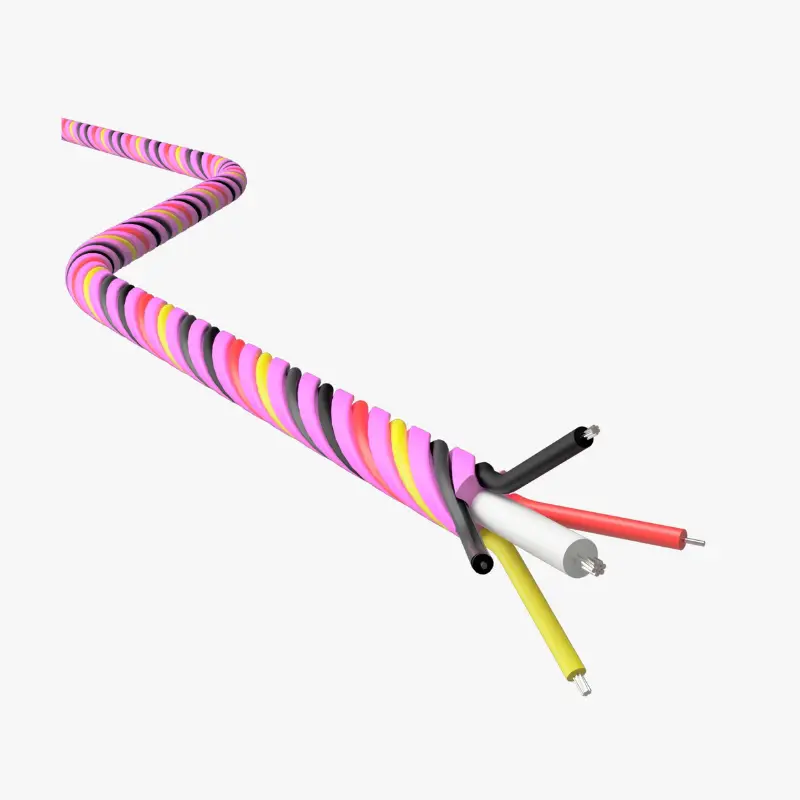
Dammam data centers need sensing arrangements that follow their actual water-bearing equipment and drainage routes.
In Dammam facilities using chilled-water cooling, joints, valves and branch connections can become leakage points.
Sensing cables may be routed alongside suitable pipework or at locations where escaping water is expected to collect.
The system layout should identify the relevant cooling circuit and the physical location associated with each alarm.
Dammam data halls may use Computer Room Air Conditioning (CRAC) or Computer Room Air Handling (CRAH) equipment.
Leaks can develop around connected pipework, condensate trays or drainage outlets.
Spot detectors are useful at individual equipment locations. Sensing cables may be more appropriate where water could spread across a wider floor area.
Dammam server rooms with raised flooring need attention to concealed pipework and low points where water can accumulate.
Digital addressable sensing cables can locate a leak along the monitored route when supported by the selected controller.
Cable placement should account for underfloor obstructions, drainage and safe access for inspection.
Dammam data centers adopting liquid-cooled computing may introduce additional monitoring requirements around Coolant Distribution Units (CDUs), pumps and coolant manifolds.
Not every water sensor can detect every cooling fluid. Glycol concentration, coolant chemistry and the sensing method must be checked before equipment selection.
Dammam facilities with overhead water services should assess potential drip paths above vulnerable infrastructure.
Depending on the design, monitoring may be required around accessible collection points, equipment cabinets or adjacent plant areas.
A sensor installed far from the expected leak path provides limited protection, regardless of its technical specifications.
Dammam projects should compare sensing equipment according to coverage, monitoring requirements and the level of leak-location detail needed.
| Detection technology | Suitable application | Operational benefit |
|---|---|---|
| Spot water detectors | Condensate trays and individual cooling units | Identifies water at a specific point |
| Zone sensing cables | Mechanical rooms and pipe routes | Reports an affected monitoring zone |
| Digital addressable sensing cables | Raised floors and extensive cooling networks | Reports a location along compatible sensing cable |
| Multi-zone controllers | Facilities with several equipment areas | Centralizes alarm and fault monitoring |
Global Sensing's liquid leak detection sensors in Saudi Arabia cover cable-based and point-specific monitoring applications.
We recommend choosing the detection arrangement after reviewing pipe layouts, equipment risks and the required alarm response.
More sensing cable doesn't automatically mean better protection. Correct placement matters.
Dammam data center operators need leak alarms that connect to their approved facility monitoring arrangements.
Depending on the selected controller, the engineering team can evaluate these interfaces and systems:
Communicates supported leak and controller-fault points to a building management system.
Exchanges compatible alarm registers across an Ethernet network.
Connects supported monitoring controllers using serial communication.
Provide defined alarm and fault indications to compatible monitoring inputs.
May report controller events and device health to network monitoring systems.
A potential platform for approved data center monitoring integration.
A potential BMS interface for displaying leak-zone alarms.
A potential facility-monitoring destination for compatible alarm signals.
[VERIFY: Actual protocol support, named-platform integration and gateway requirements against Global Sensing's selected controller datasheets.]
For a Dammam colocation facility, each alarm should identify the relevant room or equipment area and reach the operator responsible for investigating it.
Automatic equipment shutdown must never be assumed. Any valve-isolation or cooling-control sequence requires separate engineering approval and testing.
Dammam's data center requirements extend across established hosting facilities, industrial areas and enterprise infrastructure.
Home to NourNet's documented Dammam AlShatea Data Center, representing the city's enterprise hosting and colocation market.
Hosts Quantum Switch Tamask data center infrastructure and manufacturing enterprises with critical IT operations.
An area with announced data center development, where new cooling systems can incorporate detection during design.
Established manufacturing facilities where enterprise server rooms and technical control spaces may require leak monitoring.
Port-related operations with communications rooms, network equipment and controlled maintenance areas.
Logistics and aviation-associated facilities with computing infrastructure and cooling requirements.
These are relevant service markets, not completed Global Sensing installations.
For wider commercial and industrial applications, see our liquid leak detection systems in Jeddah page.
Explore Global Sensing's field-proven detection cables, locating controllers, and network gateways engineered for mission-critical computing facilities in Saudi Arabia.
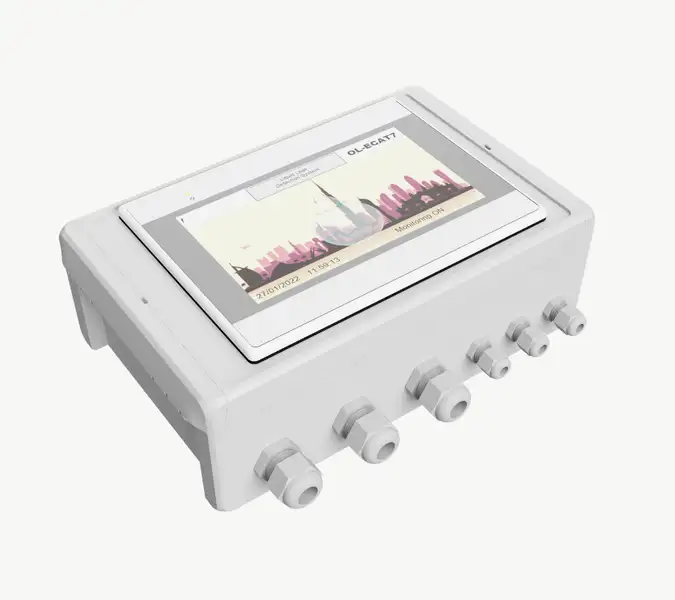
Centralized microprocessor alarm panel providing precision pin-point leak distance readout to ±1 meter across extended sensing cable loops.
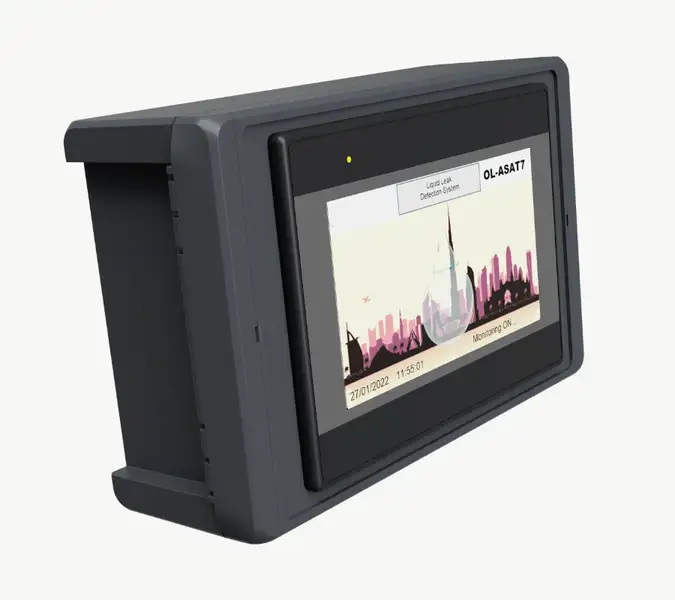
Conductive polymer braided sensing cable designed for rapid water and conductive chemical leak detection beneath raised computer floors.
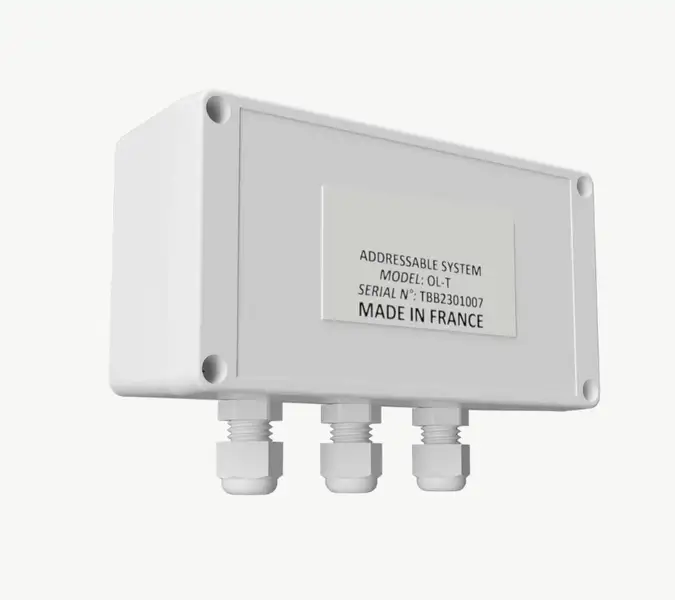
Solid-state immersion point detector engineered for CRAC/CRAH condensate overflow pans, drip trays, and floor sump pits.
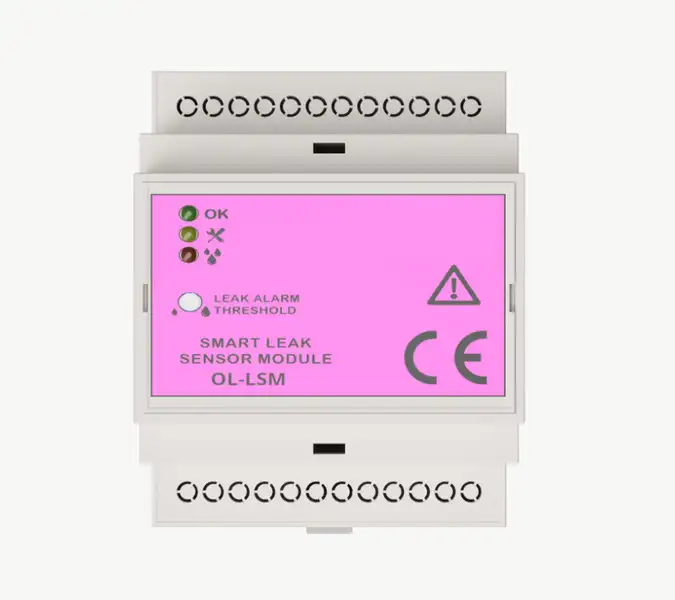
Stand-alone DIN-rail or wall-mount monitoring panel for dedicated UPS rooms, battery rooms, and local CRAC unit groups.
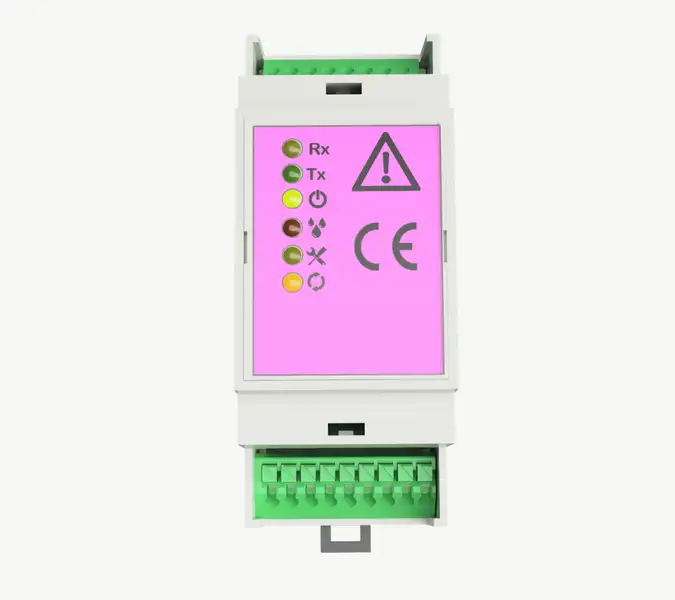
Multi-protocol interface module bridging field leak detectors to Schneider EcoStruxure, Siemens Desigo, and Vertiv Environet platforms.
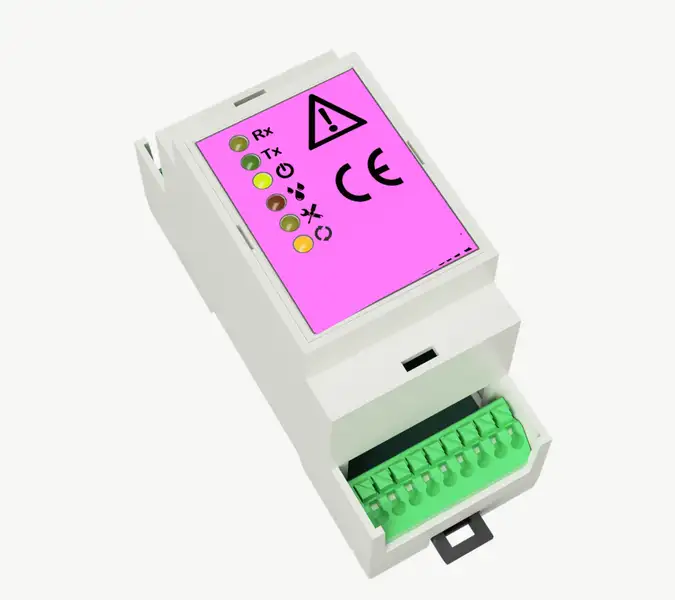
Specialized non-conductive hold-down clips, modular leader cables, and end-of-line terminators engineered for raised computer floors.
Dammam data center projects should define sensing routes and acceptance criteria before procurement.
Global Sensing's engineering services cover system design, installation, testing and commissioning.
Review mechanical drawings, chilled-water services, equipment positions and existing drainage arrangements.
Prepare sensing cable routes, spot detector positions, controller locations and an alarm-zone schedule.
Confirm sensor compatibility, controller capacity and required monitoring interfaces.
Install approved sensing equipment around the designated locations, with attention to cable protection and accessibility.
Simulate leak events at agreed points and test controller indications, cable faults and monitoring-system communication.
Provide the agreed as-built drawings, alarm schedules, test records and operator instructions.
Operational Coordination & Project Delivery:
Dammam colocation operators may require installation work to be divided into approved maintenance windows. Access to live equipment areas must be coordinated with facility management.
Explore our engineering services for additional project delivery capabilities.
Dammam data center installations should be assessed against the Saudi requirements applicable to the facility and selected equipment.
The Saudi Mechanical Code SBC 501 provides requirements relevant to mechanical systems.
Equipment conformity may need to be evaluated through the SASO Saber process, according to the product category.
For covered data center and cloud operators, the National Cybersecurity Authority's Cloud Cybersecurity Controls may influence connected monitoring architecture.
A standalone controller doesn't automatically require cloud hosting. The relevant obligations depend on the project, its data flows and the operator's regulatory classification.
Global Sensing combines liquid leak detection equipment with engineering design, installation and commissioning services.
Our published product portfolio includes digitally addressable sensing systems, cable and probe-based detection, and monitoring equipment for critical infrastructure.
The objective is to define where leaks could develop and confirm that each alarm reaches the appropriate monitoring point.
Global Sensing has also published a water leak detection project reference involving critical ICT areas at Red Sea International Airport in Saudi Arabia's Western Region. That reference demonstrates a related application, not a completed Dammam data center project.
For vendor qualification, review our company certifications and request current certificates for the applicable legal entity. Also explore general liquid leak detection in Dammam.
One limitation should be clear: sensors detect compatible liquids, but they don't repair leaking pipes or guarantee uninterrupted data center operation.
Dammam data center leak detection costs depend on the equipment specification, monitoring coverage and installation scope.
Six factors influence pricing:
Longer chilled-water routes increase sensing equipment and installation requirements.
More monitored areas may require additional controller capacity.
Addressable locating equipment generally costs more than basic point detection.
Specialized fluids may require different sensors.
Existing raised floors and restricted operating areas can increase labour requirements.
Interface configuration, testing and documentation add engineering work.
Quotation Standards & VAT Regulations:
Global Sensing prepares project-specific quotations in Saudi Riyals (SAR). The standard Saudi VAT rate is 15% on applicable taxable supplies under ZATCA VAT Guidance.
Submit your facility drawings, cooling-system details and monitoring requirements to request a quotation.
Global Sensing coordinates Dammam data center enquiries through its Saudi engineering operations, with its confirmed office in Jeddah.
Initial technical reviews can be conducted remotely. On-site surveys and installation visits are arranged according to project requirements and confirmed engineer availability.
Relevant Dammam Service Areas:
Relevant service areas include Al Shatea, Dammam First, Second and Third Industrial Cities, King Abdulaziz Port and the airport logistics corridor.
For company contact details and directions to our confirmed office, see the Global Sensing Google Maps listing.
Technical guidance regarding pricing, installation windows, hosting compliance, retrofit feasibility, and glycol coolant compatibility.
Dammam data center leak detection costs depend on cable coverage, controller selection, monitoring zones and integration requirements. An enterprise server room may need fewer sensing points than a large colocation facility. Global Sensing prepares project quotations in SAR after reviewing equipment layouts, approved specifications and commissioning requirements.
Dammam installation timelines depend on sensor quantities, equipment availability and access to operational areas. Retrofit work beneath live raised floors may require phased installation and approved maintenance windows. The agreed schedule should include installation, alarm configuration, functional testing and documentation before the system is accepted.
Dammam data center leak detection systems do not automatically require cloud storage. Compatible controllers can operate locally and report alarms through approved monitoring interfaces. Where remote monitoring processes personal information or supports regulated infrastructure, the operator should assess applicable Saudi privacy and cybersecurity requirements before approving the architecture.
Global Sensing coordinates Dammam data center project enquiries from its confirmed Jeddah office. Initial discussions can cover cooling layouts, sensing requirements and controller interfaces remotely. Scheduled site surveys depend on project scope, engineer availability and the facility's access permissions, particularly where operating data halls are involved.
Dammam operating data centers can be assessed for underfloor leak detection retrofits, provided safe access is available. The design should consider existing pipework, cabling and floor-panel access. Installation and testing must follow the operator's approved maintenance procedures to reduce disruption to active equipment.
Dammam facilities using glycol-based coolant may need different sensing equipment depending on the mixture's properties. Standard conductive water sensors cannot be assumed compatible with every cooling fluid. Global Sensing should review the exact coolant specification and sensor datasheet before approving the detection method.
Global Sensing supplies liquid leak detection systems and engineering support for data centers, server rooms and critical infrastructure across Saudi Arabia.
Share your cooling layouts, equipment drawings and required monitoring points. Our team can review the proposed scope and discuss appropriate sensing options.
Phone: +966 50 115 7060 | Email: [email protected]