Global Sensing supplies temperature and humidity sensors in Dammam for industrial plants, cold-storage facilities, hospitals, commercial buildings and critical equipment rooms.
Our environmental sensing portfolio covers temperature, humidity and moisture measurement for HVAC and other control applications. We also provide engineering services for system design, installation, testing and commissioning.
From a pharmaceutical storage room to an industrial production area, the right measurement system starts with sensor placement, operating conditions and the information your facility team needs.
Dammam’s combination of coastal humidity, high summer temperatures and industrial activity makes environmental monitoring an important consideration for sensitive equipment and stored products.
In a manufacturing facility, changing humidity can influence moisture-sensitive materials or production conditions. In refrigerated warehouses, repeated door openings can introduce warm, humid air. Hospital utility areas and server rooms have different environmental requirements.
Temperature and humidity monitoring in Dammam means measuring environmental conditions at selected locations, recording or communicating the readings, and identifying deviations from the facility’s approved operating limits.
Temperature and relative humidity are related, but they’re not interchangeable. A room may maintain its target temperature while its relative humidity changes significantly.
Reliable monitoring therefore requires suitable sensors, appropriate placement and a clear response to out-of-range readings.
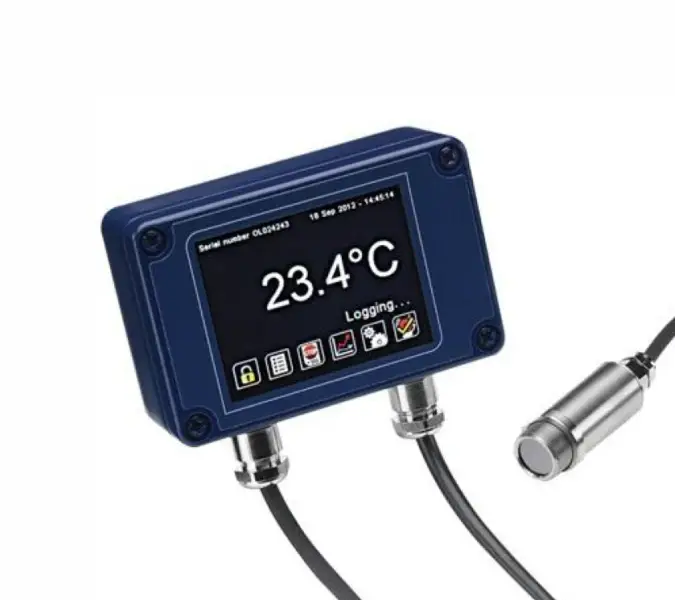
Calibrated precision temperature and humidity sensing for Dammam industrial zones and cold storage.
Dammam’s industrial cities and logistics infrastructure contain facilities where environmental monitoring can support equipment protection, product handling and operational oversight. Learn more about MODON – Saudi Industrial Cities governance across the Eastern Province.
Manufacturing facilities where environmental readings may affect production areas, equipment rooms and quality-control operations.
Larger factories and warehouses requiring monitoring across separate storage zones, production spaces and HVAC installations.
Industrial developments where temperature and humidity sensor locations can be planned during mechanical and electrical design.
Warehousing and cargo-handling operations where temperature-sensitive products may require documented storage conditions.
Air cargo, distribution and temperature-controlled storage operations requiring monitoring around transfer and storage areas.
Hospitals, medical storage rooms and selected building-service areas requiring environmental monitoring according to their approved operating requirements.
* These locations represent relevant applications, not completed Global Sensing projects.
Dammam manufacturing plants may require temperature and humidity measurements in production areas, materials storage rooms and equipment enclosures.
Sensor selection should consider airborne dust, moisture exposure, installation height and the permitted environmental range.
Dammam cold-storage operators need to monitor the conditions experienced by stored goods, not only the temperature displayed on a refrigeration controller.
Sensors may be positioned in selected storage zones, with data logging and alarm thresholds evaluated according to the product requirements. Humidity monitoring is particularly relevant where condensation or repeated door openings affect storage conditions.
Dammam healthcare buildings may require temperature and humidity monitoring in designated clinical support areas, medical storage rooms and controlled building spaces.
Monitoring arrangements should consider measurement accuracy, recording requirements and the responsibilities of facility personnel.
Dammam commercial buildings use temperature and humidity measurements to assess indoor environmental conditions and support HVAC control.
Room sensors, duct-mounted probes and suitable transmitters can be evaluated according to the intended function.
| Sensor type | Suitable application | Main consideration |
|---|---|---|
| Wall-mounted temperature and humidity sensors | Offices, controlled rooms and commercial buildings | Representative placement away from misleading heat sources |
| Duct-mounted sensors | Air-handling units and HVAC ductwork | Correct insertion location and suitable air conditions |
| Industrial temperature and humidity transmitters | Manufacturing and plant environments | Environmental protection and compatible signal outputs |
| Remote-probe sensors | Cold rooms, cabinets and equipment enclosures | Probe suitability, cable routing and measurement range |
| Temperature and humidity data loggers | Storage rooms and environmental records | Recording interval, memory and data retrieval requirements |
Global Sensing’s temperature, humidity and moisture control sensors are part of its environmental sensing portfolio.
The correct system depends on what the operator needs to measure and whether the readings will be displayed, stored or used for automatic control.
Represent Actual Conditions: Dammam temperature and humidity sensors should be positioned where they represent the conditions being monitored.
Avoid Misleading Influences: Avoid placing general room sensors directly beside supply-air outlets, exterior doors or heat-generating equipment unless those locations are intentionally being measured.
Multi-Zone Staging: Cold-storage facilities may require multiple measurement positions. Industrial environments may need protective housings or remote probes.
Approved Monitoring Plan: The final layout should follow the approved monitoring plan.
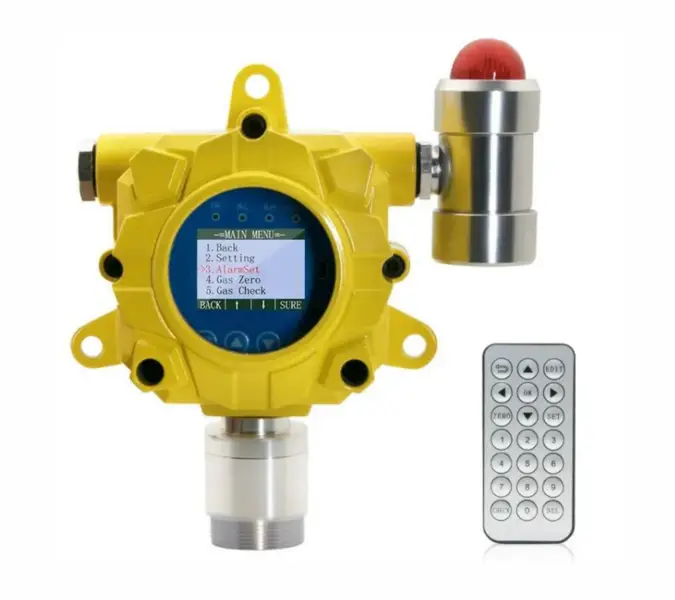
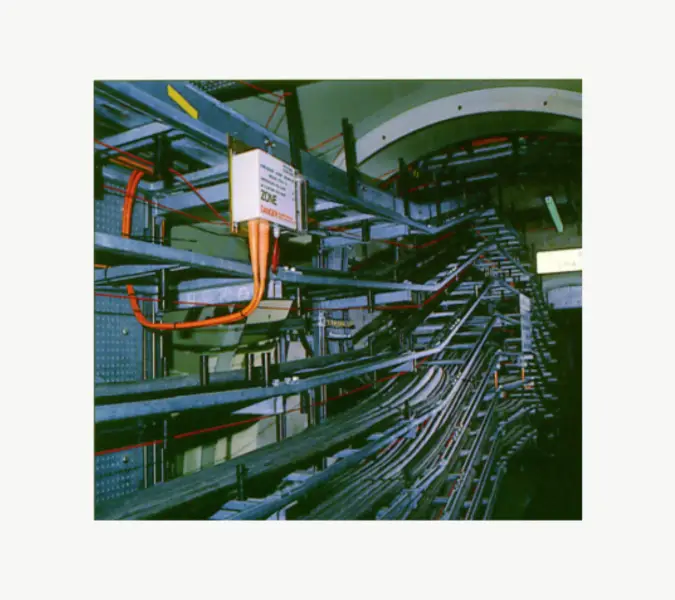
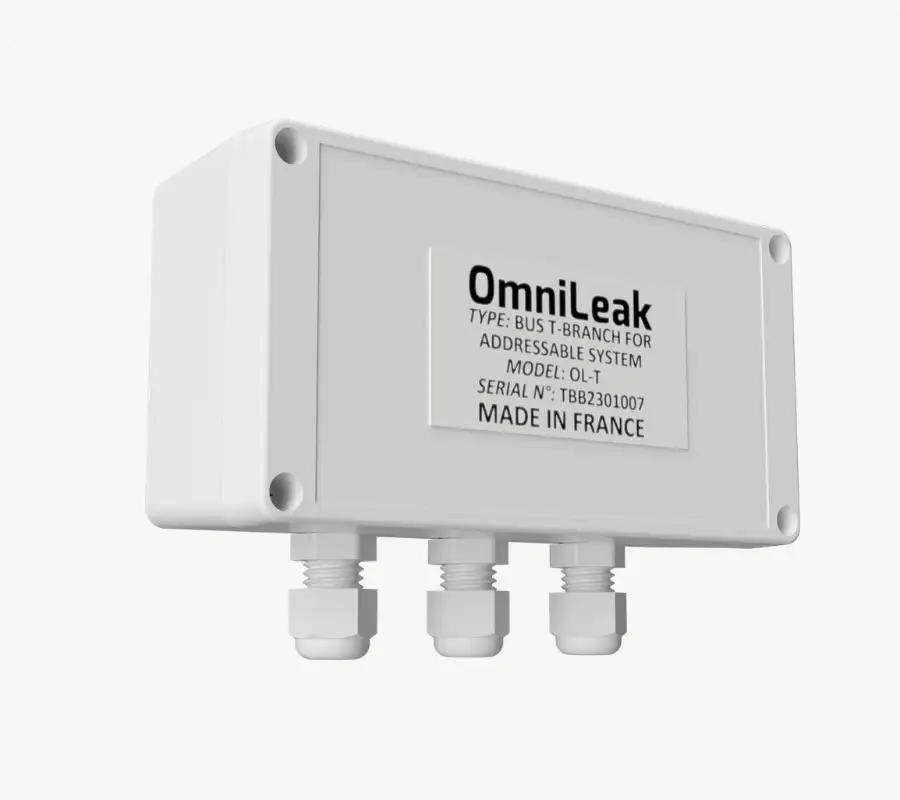
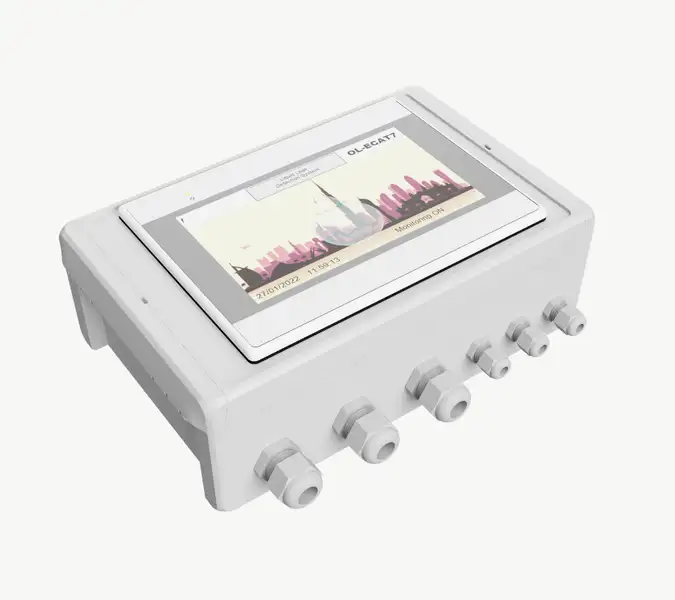
Dammam commercial and industrial facilities may need sensor readings connected to existing HVAC controllers or environmental monitoring systems.
The following are relevant interfaces and integration options for technical evaluation:
Can communicate compatible environmental readings to a building management system.
Can connect supported sensors and controllers over an RS-485 communication network.
Can exchange readings with compatible Ethernet-based controllers.
An analogue signal option for compatible industrial measurement inputs.
An analogue output commonly evaluated for compatible HVAC control inputs.
A possible wireless approach for distributed sensor monitoring where approved equipment and network coverage are available.
A possible messaging protocol for supported IoT monitoring applications.
A potential BMS monitoring destination where compatible interfaces are provided.
[VERIFY: Global Sensing’s actual sensor models, output signals, controller support and named-platform compatibility.]
The project specification should identify which readings need to be monitored, how often they are recorded and what happens when a measurement exceeds its approved range.
We would avoid promising automatic HVAC control until the existing controller interfaces and operating sequences have been checked.
For wider connected-device applications, explore our smart automation solutions in Jeddah.
Where the project requires traceable calibration, calibration certificates and verification procedures should be specified during procurement.
An uncalibrated sensor should not be described as a certified measuring instrument simply because its display appears accurate.
Learn more about our comprehensive engineering services.
Global Sensing supplies specialized environmental sensing equipment and provides associated engineering services for commercial and industrial applications.
Our company portfolio includes temperature, humidity and moisture control sensors, along with wider sensing and automation solutions.
For a Dammam project, the objective is to establish what must be measured, choose suitable sensing equipment and define the monitoring and handover requirements.
The availability of particular sensor accuracy classes, calibration certificates and monitoring software must be confirmed against the selected products.
For procurement and vendor qualification, review our company certifications and request current documentation for the applicable legal entity.
Global Sensing prepares project-specific quotations in Saudi Riyals (SAR). Saudi Arabia’s standard VAT rate is 15% on applicable taxable supplies according to ZATCA VAT Guidance.
A useful quotation request includes the number of locations, required measurement ranges and any data-logging or control requirements.
Global Sensing supports Dammam project enquiries through its Saudi operations, coordinated from the company’s confirmed Jeddah office.
Initial reviews can cover technical specifications, drawings and sensor quantities remotely. Scheduled site visits depend on project scope and confirmed availability.
Service-relevant locations include Dammam First, Second and Third Industrial Cities, King Abdulaziz Port, the airport logistics corridor and Dammam healthcare facilities.
For the company’s confirmed Jeddah office, see the Global Sensing Google Maps listing.
Dammam temperature and humidity sensor costs depend on instrument accuracy, measurement range, quantity and communication requirements. A basic office sensor differs from a monitored pharmaceutical storage installation. Global Sensing can prepare a quotation in SAR after reviewing the required locations, product specifications and any calibration or logging requirements.
Dammam installation timelines depend on sensor quantities, cabling, available controllers and site access. A small commercial installation may have fewer integration requirements than a multi-zone industrial warehouse. The agreed schedule should include equipment selection, installation, signal verification and commissioning before the monitoring system is accepted.
Dammam temperature and humidity systems do not automatically require cloud hosting. Compatible sensors can report to local controllers or data loggers. Where remote monitoring processes identifiable information or serves a regulated facility, the system architecture and applicable requirements should be reviewed before choosing an external hosting service.
Global Sensing coordinates Dammam enquiries from its confirmed Jeddah office. The initial assessment can review environmental requirements, equipment lists and proposed monitoring locations remotely. On-site visits can be arranged according to the confirmed project scope and availability. No separate Dammam office is claimed.
Dammam pharmaceutical warehouses may use qualified temperature and humidity monitoring equipment, but suitability depends on the stored products, required ranges and relevant SFDA requirements. Sensor positioning, calibration and records should be specified as part of the monitoring arrangement. A basic room sensor alone does not establish regulatory compliance.
Dammam facilities can evaluate compatible environmental sensors for connection to existing building management systems through supported analogue or digital interfaces. Actual compatibility depends on the sensor and controller models. The project should verify measurement values, communication faults and any alarm thresholds before accepting the installation.
Global Sensing supplies temperature, humidity and moisture control sensors for industrial, commercial and critical facility applications in Saudi Arabia.
Tell us what you need to monitor, the number of sensing locations and any existing HVAC or monitoring equipment.
Our team can review your requirements and discuss suitable equipment and project arrangements.