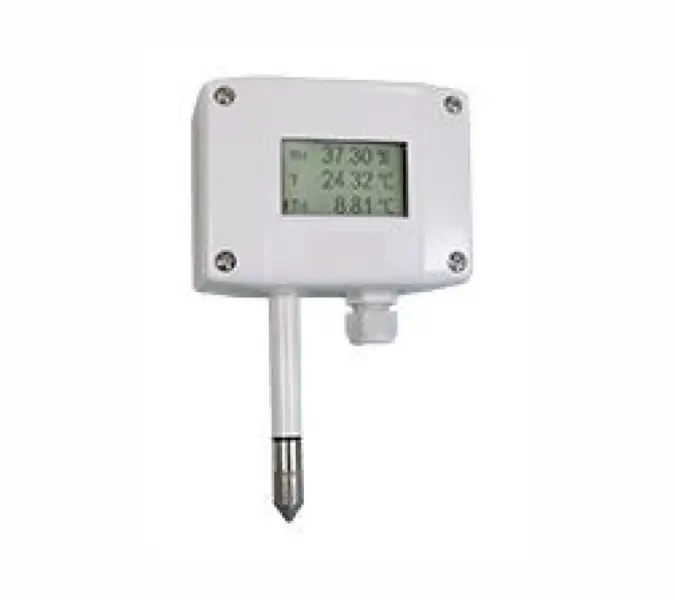
Temperature & Humidity Sensors in Jeddah

Monitor the conditions that matter to your facility. Global Sensing Company helps businesses select temperature and humidity sensors in Jeddah, whether the project calls for a single humidity sensor in Jeddah or a complete humidity monitoring system in Jeddah. Our temperature and humidity monitoring in Jeddah solutions cover HVAC systems, chiller plants, cold-storage facilities, data centres and industrial spaces. Where chilled surfaces create condensation risk, we also assess whether a dew point sensor in Jeddah is appropriate, alongside site-specific data logging, alerts and potential BMS integration.

The right setup depends on your environment, reporting needs and existing controls. Global Sensing helps plan monitoring points, identify suitable equipment and define installation and integration requirements without assuming every sensor offers the same features.
• Wall & duct sensors    • Dew point options    • Data logging    • BMS integration planning
LIVE JEDDAH TELEMETRY • SCADA BENCHMARK
Jeddah Port Cold Store • NOMINAL
-20.4°C  •  88.2% RH  •  SFDA Compliant
Chiller Plant (Al Fayha) • MONITORED
6.8°C  •  ΔT: 5.6°C  •  Dew Point: 14.2°C
Data Hall 02 (Industrial) • OPTIMAL
21.8°C  •  48.6% RH  •  ASHRAE A1
Corniche Commercial Tower • ONLINE
23.1°C  •  51.4% RH  •  BACnet Integrated
Class A RTD (±0.2°C)  •  NIST/SASO Traceable Calibration
ENVIRONMENTAL DYNAMICS • RED SEA MICROCLIMATE PROFILE

Why Temperature & Humidity Monitoring Matters in Jeddah

Coastal Exposure Index: Saline Vapor • Sharp Dew Point Deltas
Jeddah’s Red Sea setting combines high cooling demand with humidity that changes by season, time of day and weather conditions. Along the coast, certain installations may also face salt deposits and moisture exposure. In air-conditioned buildings and refrigerated environments, these conditions can affect measurement reliability and increase the importance of condensation monitoring.

A well-designed monitoring system gives facilities teams clearer information about indoor conditions, supports timely investigation of abnormal readings and helps them manage temperature-sensitive operations. Sensor placement, equipment protection and alarm thresholds should be based on the actual facility rather than a citywide humidity assumption.

For location details and directions, view Global Sensing Company on Google Business Profile

MARINE EXPOSURE VECTOR

Coastal Humidity, Salt Air & Sensor Selection

Outdoor plant rooms, rooftops and exposed technical areas have different monitoring requirements from offices or indoor HVAC ducts. When selecting instruments, consider operating range, enclosure ingress protection, materials, cable connections and service access. Where salt-laden air is a concern, corrosion suitability should be supported by the manufacturer’s specifications or relevant test data.

ENGINEERING STANDARD INSIGHT

An IP rating indicates protection against ingress of solids and water. It does not, on its own, prove resistance to salt corrosion. The final equipment recommendation should match the site’s exposure conditions and approved model documentation.

Key Specifications: IP65/IP67 Seals • Sintered Filters • Corrosion Shell • Service Access
PSYCHROMETRIC DELTA VECTOR

Condensation Monitoring in Jeddah — Dew Point & Cold Surfaces

Condensation becomes possible when the temperature of a surface falls below the dew point of the surrounding air. In Jeddah, this may occur around chilled-water pipes, air handling units, cold-room doors, poorly insulated surfaces and other cooled equipment when humid air enters the space.

Condensation monitoring in Jeddah can combine ambient temperature, relative humidity, calculated dew point and, where needed, surface temperature readings. Appropriate monitoring points and alert thresholds help operators identify risk conditions.

PREVENTIVE OPERATIONS PRINCIPLE

Monitoring complements—and does not replace—insulation, HVAC controls, drainage and preventive maintenance.

Risk Hotspots: Chilled Pipework • AHU Supply Zones • Cold-Room Doors • Delta Thresholds
INSTRUMENTATION SPECIFICATIONS • PRODUCT CAPABILITIES

Temperature & Humidity Monitoring Solutions for Jeddah Facilities

A humidity monitoring system in Jeddah may consist of a few standalone measurement points or a wider network of sensors, loggers, controllers and supervisory interfaces. Global Sensing helps define a practical solution around the areas being monitored, the information your team needs and the way alerts or records will be used.

For a broader overview of Global Sensing’s solutions beyond Jeddah, explore our temperature, humidity and moisture control sensors in Riyadh.
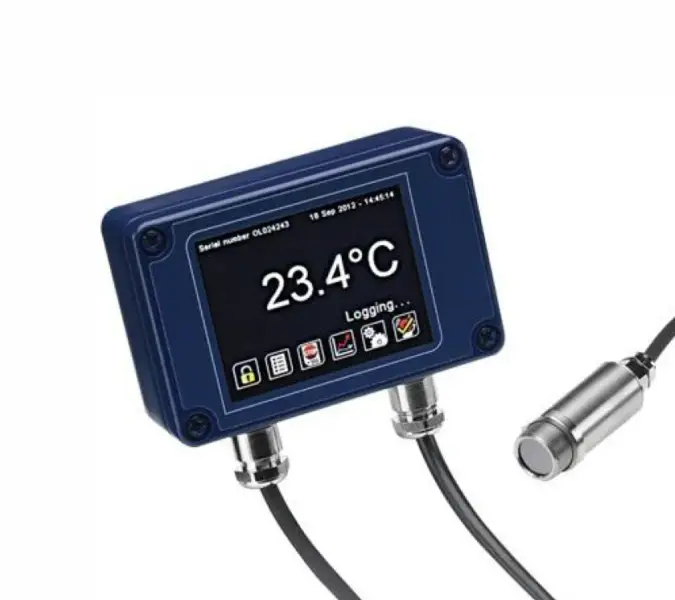
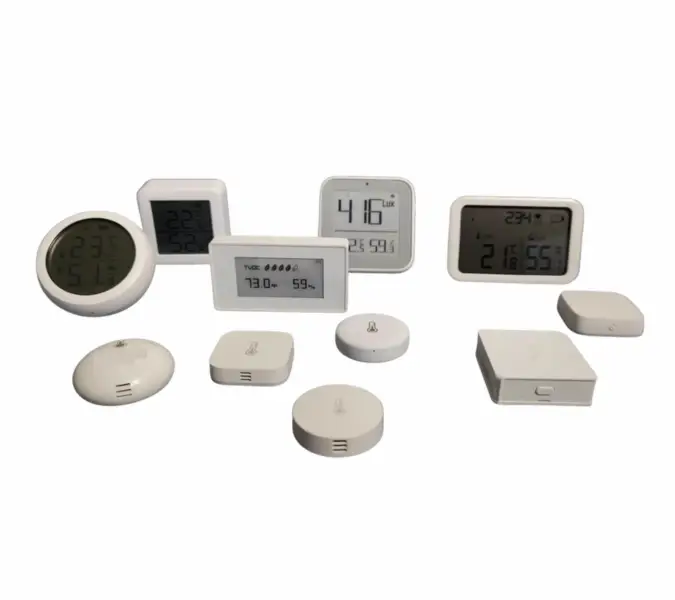
Wireless IoT environmental temperature and humidity sensor node for Dammam warehouses
01 • FACILITY & HVAC PRECISION

Wall-Mounted & Duct-Mounted Temperature and Humidity Sensors

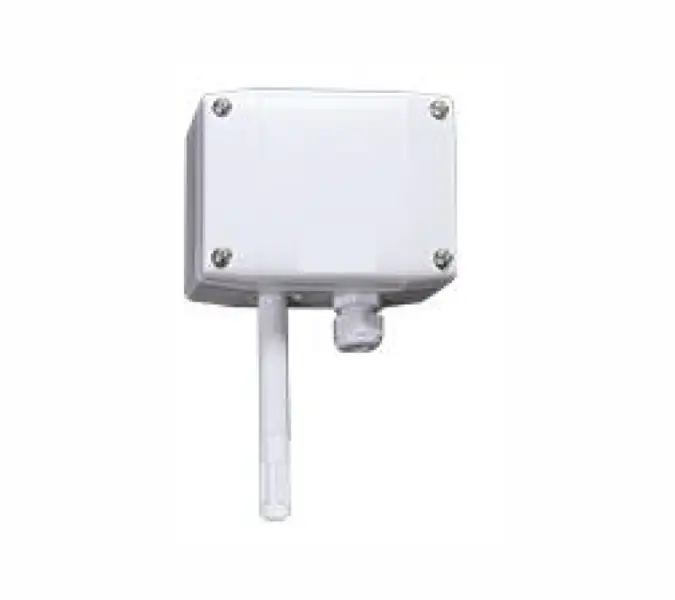
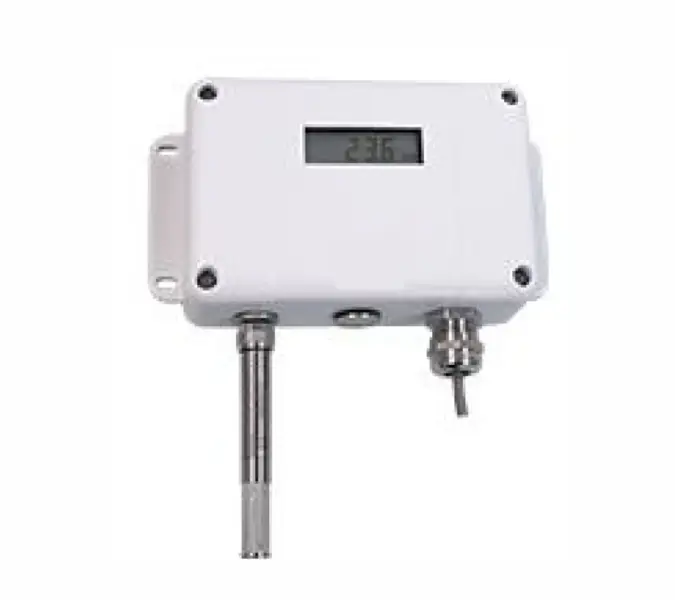
Wall-mounted sensors suit selected indoor spaces such as offices, equipment rooms and occupied zones. Duct-mounted probes can support monitoring at suitable HVAC supply or return-air positions. Accuracy, displays, outputs and operating ranges vary between manufacturers, so each model should be selected against the project’s required measurement conditions.

ENGINEERING SPECIFICATIONS

Mounting Form: Wall Plate / Duct Insertion
Measurement Scope: Dual Temperature & %RH
Signal Options: 4-20mA, 0-10V, Modbus, BACnet
Field Display: Optional LCD Local Readout
02 • HARSH COASTAL INFRASTRUCTURE

Outdoor & Exposed-Location Humidity Sensors

Sensors for rooftop plant areas, cooling equipment and exposed industrial sites require attention to enclosure protection, mounting position, temperature range and environmental resistance. Coastal exposure may call for additional material or connector considerations. Product ratings and any corrosion-resistant construction are confirmed from the selected equipment documentation.

ENGINEERING SPECIFICATIONS

Enclosure Rating: IP65 / IP67 Weatherproof
Filter Protection: Sintered PTFE / Stainless Cap
Radiation Shield: Multi-plate Solar Louvre
Salt Exposure: Corrosion-resistant Housing
03 • CHILLED SURFACE PROTECTION

Dew Point Sensors & Condensation Monitoring Options

Dew point can be calculated from suitable temperature and relative humidity measurements, while certain applications may require dedicated dew point or surface-temperature instruments. A dew point sensor in Jeddah is particularly relevant for cooled infrastructure where early awareness of condensation conditions is valuable. The monitoring design identifies suitable locations and defines which alarms or outputs are required.

ENGINEERING SPECIFICATIONS

Detection Method: Surface Optical / Calculated Tdp
Target Pipework: Chilled Water Supply & Return
Relay Switching: Direct Early-Warning Output
Thermal Range: -30°C to +70°C Dew Point
04 • HISTORICAL AUDIT & EXCURSION RECORDS

Temperature & Humidity Data Loggers

Data logging is useful whenever teams need a record of changing conditions rather than a single live reading. Applications include cold rooms, warehouses, technical facilities and temperature-sensitive storage. Data retention, export formats, alarm capability and remote access depend on the selected logger and monitoring platform.

ENGINEERING SPECIFICATIONS

Storage Capacity: Non-volatile Flash Logging
Audit Readiness: SFDA GDP & Excursion Audit
Export Formats: PDF, CSV, Automated Cloud Sync
Power Backup: Internal Battery + Mains Power
05 • SUPERVISORY CONTROLS & AUTOMATION

BMS Temperature & Humidity Integration in Jeddah

BMS temperature humidity integration in Jeddah helps facility operators consider how sensor readings should appear within an existing Building Management System. Depending on the chosen controllers and instruments, suitable interfaces may include BACnet, Modbus or analogue signals. The required protocol, controller capacity, network setup and alarm handling should be checked before a solution is specified.

For HVAC plants, commercial buildings and industrial sites, a clear integration plan identifies monitoring points, expected data values, control-system connections and testing responsibilities. This reduces uncertainty between sensor selection, installation and commissioning.

ENGINEERING SPECIFICATIONS

Digital Signals: BACnet MS/TP, BACnet IP, Modbus
Analogue Scope: 4-20mA Current, 0-10V Voltage
Network Scope: RS-485 Daisy Chain / IP Ethernet
Deliverable: Point Schedule & Protocol Map
JEDDAH OPERATIONAL DEPLOYMENTS • 6 FACILITY ENVIRONMENTS

Where Temperature & Humidity Sensors Are Used in Jeddah

Environmental requirements differ across Western Region facilities. Global Sensing designs, supplies and commissions sensor networks tailored to specific operational risks and facility profiles across Jeddah:
01 • HVAC & PLANT ROOMS

Chiller Humidity Monitoring in Jeddah — HVAC & Plant Rooms

Chiller humidity monitoring in Jeddah addresses an important operational challenge: cooled equipment operating in spaces where moisture and air conditions can vary. Facilities teams can monitor selected chiller plant rooms, AHU zones, chilled-water pipework and nearby technical areas to understand ambient conditions and assess condensation risk.

Temperature, relative humidity and dew point readings can support maintenance decisions and help identify locations that need closer inspection. Sensor locations, alarm thresholds and potential BMS connectivity should be agreed for each plant configuration. Monitoring itself does not eliminate leaks, condensation or drainage problems.

MONITORING PARAMETER FOCUS

Target Vectors: Chilled Pipework • AHU Supply
Alert Mechanism: Dew Point Delta Thresholds
02 • PORT & COLD STORAGE

Cold Chain Temperature Monitoring in Jeddah — Port & Logistics

Jeddah Islamic Port and the surrounding logistics sector create demand for reliable environmental monitoring in refrigerated warehouses, food distribution centres and pharmaceutical storage areas. Cold chain temperature monitoring in Jeddah may require defined storage thresholds, measurement coverage across multiple zones, records of temperature excursions and practical reporting workflows.

A suitable system may use temperature and humidity sensors, data loggers and configurable alerts according to the selected equipment. For regulated goods, monitoring limits, records, calibration and any Saudi Food and Drug Authority obligations must be checked against the actual products and facility requirements. No sensor or logger alone guarantees regulatory compliance.

MONITORING PARAMETER FOCUS

Logistics Corridor: Jeddah Islamic Port Hubs
Regulatory Standard: SFDA Excursion Auditing
03 • MISSION-CRITICAL IT

Data Centres & Server Rooms

Data centres and server rooms rely on controlled environments to support IT equipment. Monitoring at carefully chosen locations—including equipment areas and cooling-system zones—can help teams track temperature and relative humidity. Dew point information may also be relevant where cooled surfaces are exposed to humid air. BMS or DCIM integration should be evaluated against the installed platform.

MONITORING PARAMETER FOCUS

Thermal Envelope: ASHRAE Thermal Guidance
System Gateway: DCIM / BMS Platform Link
04 • HEALTHCARE & CLINICAL

Hospitals, Clinics & Pharmaceutical Storage

Healthcare environments and pharmaceutical storage areas can require documented monitoring based on approved facility procedures. Sensor selection should reflect the room or storage application, while alarm thresholds, calibration checks, record retention and escalation routes should match the organisation’s requirements and applicable rules.

MONITORING PARAMETER FOCUS

Storage Areas: Vaccines • Cleanrooms
Audit Protocol: Documented Escalation Rules
05 • WATERFRONT & COMMERCIAL

Corniche Hotels & Waterfront Commercial Buildings

Hotels, offices and commercial properties near Jeddah’s waterfront may experience varying humidity loads alongside extensive air-conditioning use. Monitoring selected HVAC zones and areas near cooled surfaces can help facility managers understand conditions associated with comfort, condensation risk and maintenance planning.

MONITORING PARAMETER FOCUS

Exposure Type: Waterfront High Humidity
Operations Value: Comfort • Maintenance Planning
06 • INDUSTRIAL PLANTS

Industrial Facilities & Technical Equipment Rooms

Production facilities, warehouses, control rooms and other industrial spaces may need monitoring that reflects operating temperatures, process sensitivity and exposure to dust, moisture or chemicals. Sensor types, mounting positions and protective arrangements should be specified for the real installation environment.

MONITORING PARAMETER FOCUS

Industrial Zones: Jeddah Industrial City 1, 2 & 3
Protection Rating: Dust, Moisture & Chemical Proof
SYSTEMATIC ENGINEERING LIFECYCLE

Our Approach: From Site Requirements to Commissioning

An effective temperature and humidity monitoring project begins with a clear understanding of what needs to be measured and how the information will be used. Global Sensing’s engineering-led approach brings the equipment, monitoring points and interface requirements together in one practical project scope.

01

Site Assessment & Monitoring Requirements

Identify temperature-sensitive spaces, humidity concerns, condensation-prone surfaces, access constraints and the facility’s reporting needs. Establish the proposed measurement locations and the actions teams need to take when readings move outside agreed limits.
Deliverable: Site Survey Log

02

Sensor & System Specification

Choose suitable wall, duct, outdoor, dew point or logging options for the intended use. Review product datasheets for measurement range, accuracy, environmental suitability, calibration requirements and available communication interfaces.
Deliverable: Sensor Datasheets

03

Monitoring Layout & BMS Planning

Prepare a monitoring layout covering measurement points, zones, cable routes where needed, and potential links to existing building systems. Define thresholds, data requirements and interface tests in the agreed design.
Deliverable: BMS Integration Map

04

Installation & Functional Testing

Install the selected equipment according to the approved scope and manufacturer instructions. Check sensor reporting, connections, configured alerts and monitoring zone functionality as applicable to the project.
Deliverable: QA Wiring Audit

05

Commissioning & Handover

Complete the agreed system checks and handover requirements. Depending on project scope, documentation may include device schedules, monitoring layouts, functional test records, calibration or verification information, and guidance for operating teams.
Deliverable: Handover Pack
OUR MONITORING SOLUTIONS

Temperature & Humidity Sensors for Jeddah Facilities

xplore our range of temperature, humidity, and dew point sensors designed for reliable environmental monitoring in Jeddah’s coastal conditions. From HVAC systems to cold storage facilities, our solutions support accurate monitoring and seamless BMS integration.

OPERATIONAL EXCELLENCE • CREDENTIALS

Why Choose Global Sensing Company for Jeddah Monitoring Projects?

Temperature and humidity monitoring works best when devices are selected as part of a complete facility requirement—not as isolated products. Global Sensing’s approach connects sensor selection with the environment, the monitoring architecture and the intended operational response.

Facility-Specific Planning

Solutions built around your monitoring points, building systems and environmental conditions.

Broad Application Coverage

Approaches for HVAC, chiller plant areas, cold storage, data centres, healthcare and industrial facilities.

Dew Point Awareness

Monitoring designs that account for condensation risk on cooled surfaces.

Integration-Minded Specifications

Early review of potential BMS interfaces, alarms and data-logging needs.

Clear Scope and Handover

Documented equipment and commissioning requirements agreed before project execution. Single-point accountability from site survey to operational sign-off.

Temperature & Humidity Monitoring Tailored to Your Facility

Ensure reliable temperature and humidity monitoring with solutions tailored to Jeddah’s coastal environment.

Saudi Aramco Registered Vendor: 10118931
TECHNICAL KNOWLEDGE BASE • FREQUENT INQUIRIES

Frequently Asked Questions

Detailed technical answers addressing common engineering, procurement and installation inquiries for temperature and humidity sensors in Jeddah:

Jeddah’s coastal location can create additional exposure to humidity and salt-laden air at some sites. Buildings with cooled surfaces may also need to consider condensation. Sensor selection and monitoring arrangements should reflect actual site conditions rather than assuming one humidity level throughout the year.

The right humidity sensor depends on whether it will operate in a room, an HVAC duct, cold storage, a technical plant or an exposed outdoor area. The selection should consider measurement range, required accuracy, environmental suitability, mounting and communications.

Dew point indicates the temperature at which air becomes saturated with moisture. Comparing dew point with the temperature of nearby cooled surfaces can help identify conditions in which condensation may occur. Alerts and monitoring are useful inputs to maintenance, insulation and HVAC-control decisions.

Not always. In many applications, dew point can be calculated by a controller, BMS or dedicated instrument using temperature and relative humidity readings. In other situations, a specialized dew point sensor or surface temperature sensor may be appropriate.

Yes, provided the sensors and the BMS support compatible interfaces. Common options include analogue signals (such as 4–20 mA or 0–10 V) and digital protocols (such as Modbus or BACnet). Protocol details and point schedules should be confirmed during project planning.

Facilities handling chilled or frozen goods often need continuous temperature and humidity tracking, configurable alarms, historical data logging and regular calibration records. Depending on the cargo, operations may also need to consider SFDA expectations and quality procedures.

Sensors cannot physically stop condensation—that depends on insulation, ventilation, air conditioning and surface temperatures. However, monitoring temperature, humidity and dew point gives operators earlier visibility of conditions that favour condensation so they can investigate and respond.

Helpful details include the type of facility, the areas or equipment to be monitored, the purpose of the monitoring (for example, comfort, process control, condensation awareness or compliance), any existing BMS or network platforms, and the preferred method for alerts and reports.


WESTERN REGION OPERATIONS

Request a Temperature & Humidity Monitoring Consultation in Jeddah

Whether you are planning a new facility or reviewing an existing monitoring system, Global Sensing Company can discuss your temperature and humidity requirements, relevant sensor options and potential integration needs. Tell us about your site, the areas you need to monitor and any operational concerns around humidity, dew point or cold storage.

Share your project requirements to discuss a suitable monitoring approach for your facility in Jeddah or the Western Region.
Regional Operations Office:
Emaar Square, Al Sharam, Al Fayha, Jeddah 22241, Saudi Arabia

Phone: +966 501 157 060
Email: [email protected]
Saudi Aramco Registered Vendor: 10118931 • ISO 9001:2015 • ISO 45001:2018 Certified

Request a Quote

Get expert consultation and custom pricing for your facility