Global Sensing provides perimeter intrusion detection solutions for industrial compounds, logistics facilities, utility infrastructure and security-sensitive sites in Dammam, Saudi Arabia.
Our portfolio includes distributed fiber-optic sensing systems, field communication equipment and associated accessories. We also provide engineering services covering design, installation, testing and commissioning.
As a perimeter intrusion detection company in Dammam, we help project teams assess boundary conditions, plan sensor coverage and define how intrusion alarms reach the authorized security operator.
Get expert consultation and custom pricing for your facility
Dammam’s industrial facilities need perimeter monitoring that can distinguish suspicious boundary activity from routine operations around factories, warehouses and utility compounds.
The city connects Saudi Arabia’s Eastern Province manufacturing economy with King Abdulaziz Port and the road and rail networks serving inland markets. Security arrangements may need to account for extensive fences, vehicle gates and boundaries close to operating equipment.
Perimeter intrusion detection in Dammam uses sensors to identify possible unauthorized activity along a protected boundary and report the affected location to an approved security monitoring system.
For large industrial compounds, the engineering challenge is maintaining useful alarms without allowing normal fence movement to generate repeated nuisance alerts.
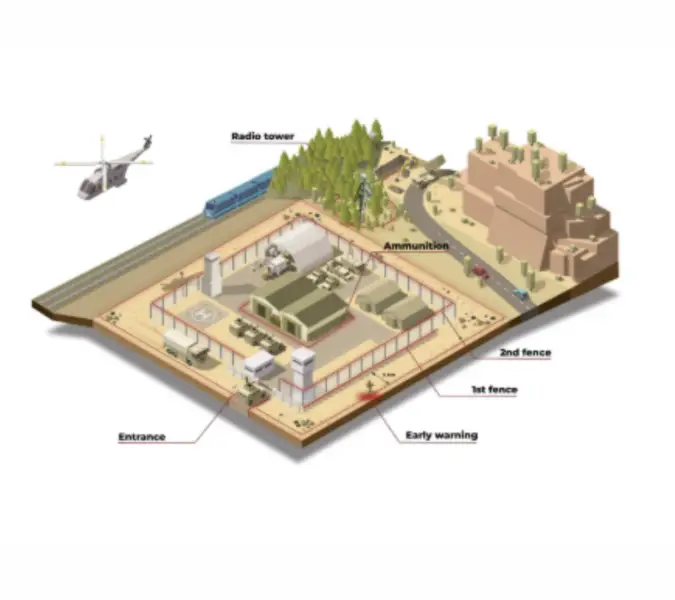
Dammam industrial security projects require detection layouts that reflect site activity, fence condition and the responsibilities of the facility’s security team.
Dammam factories with established perimeter fencing may consider fiber-optic sensing where the fence construction is suitable.
Before installation, the boundary should be inspected for loose panels, damaged supports and areas affected by nearby machinery.
The proposed project would identify mounting routes, monitored sections and locations requiring repair. The selected sensing controller determines the available alarm localization capabilities.
Dammam utility facilities may require monitoring around substations, electrical service areas and restricted industrial equipment.
Detection zones should correspond to recognizable boundary references, such as a gate, fence section or designated site marker.
Where the facility is subject to additional industrial security directives, its approved security design must determine the applicable requirements.
Dammam warehouses and freight compounds may have regular vehicle movements near their external fences.
Alarm design should account for service roads, loading operations and authorized entry points.
A passing truck must not automatically be treated as an intrusion. That is why the commissioning plan should include representative operating conditions and the agreed nuisance-alarm criteria.
Dammam’s industrial cities and transport facilities provide relevant markets for specialized perimeter sensing.
Established manufacturing sites where existing-fence inspections and retrofit planning may be important.
Industrial compounds with production buildings, storage yards and extensive perimeter boundaries.
Developing industrial properties where sensing routes can be considered during security infrastructure design.
Restricted port-related compounds where perimeter work must align with the operator's approved security procedures.
A developing logistics area at the port where future security infrastructure may be planned alongside construction.
Cargo-support properties and warehouses where security access and operational schedules affect installation planning.
The Saudi Ports Authority's logistics development information provides additional context for Dammam's expanding port-related facilities.
These are relevant service areas, not completed Global Sensing projects.
Dammam facilities can evaluate fiber-optic perimeter sensing for extended boundaries where continuous monitoring and intrusion-location information are required.
Global Sensing’s published portfolio includes distributed fiber-optic sensing, tactical communication cables, field distribution units and optical connectivity equipment.
Dammam fence-mounted systems use compatible sensing cable installed along an approved boundary route.
A suitable monitoring unit interprets disturbances and generates alarms according to the selected equipment's capabilities.
Performance depends on cable mounting, fence stability and the controller's configuration. Detection distance and location accuracy must be confirmed from product documentation.
Dammam projects may require protective cable accessories, field distribution units and optical media converters.
These components support the selected fiber-optic layout and the connection between sensing equipment and approved monitoring infrastructure.
Equipment must be selected for its environmental ratings and installation requirements. The sensing cable itself may be passive, but the processing and communications equipment still needs an appropriate power arrangement.
Dammam security projects involving concealed or underground sensing require separate consideration of soil conditions, civil works and the selected technology.
Global Sensing's national product portfolio describes capabilities related to underground activity sensing.
However, the suitability of a particular product for buried perimeter detection must be established from its current technical documentation.
Explore our perimeter intrusion detection systems for the wider product portfolio.
Dammam security teams should select sensing technology based on the actual boundary and the facility’s approved threat assessment.
| Technology | Potential application | Main engineering consideration |
|---|---|---|
| Distributed fiber-optic sensing | Long industrial fence lines | Cable mounting, controller capability and localization |
| Fence vibration sensors | Existing fenced compounds | Fence condition and disturbance sensitivity |
| Microwave detection | Defined open approaches | Clear detection corridor and alignment |
| Ground surveillance radar | Open industrial yards | Terrain, coverage and event assessment |
| Video assessment | Confirmation of reported alarms | Camera coverage and security-system interfaces |
SYSTEM INTEGRATION NOTE
Fiber-optic sensing is part of Global Sensing's published offering. Other technologies are comparison options, not verified products supplied by the company.
The correct solution may involve more than one technology, subject to approved design and equipment availability.
Dammam perimeter monitoring projects need alarm information that identifies the affected zone and reaches the correct security operator.
The following interfaces and platforms may be considered where supported by the selected controller:
Report intrusion or equipment-fault signals to compatible security monitoring inputs.
Exchange supported zone status with an approved monitoring system.
Report controller health and applicable events to authorized network monitoring equipment.
Potentially exchange selected monitoring information with compatible industrial systems.
Support interoperability with approved video equipment where the relevant interfaces exist.
Provide compatible video streams for authorized event assessment.
A potential destination for associating an alarm with a relevant camera view.
A possible video assessment platform for compatible security integrations.
[VERIFY: GLOBAL SENSING'S ACTUAL CONTROLLER INTERFACES, THIRD-PARTY SOFTWARE COMPATIBILITY AND APPLICABLE LICENSES.]
The alarm schedule should distinguish a suspected intrusion from a cable fault or communications failure.
For an operating industrial site, alarm-zone names should match its approved security drawings. Operators shouldn't need to interpret vague controller identifiers during an incident.
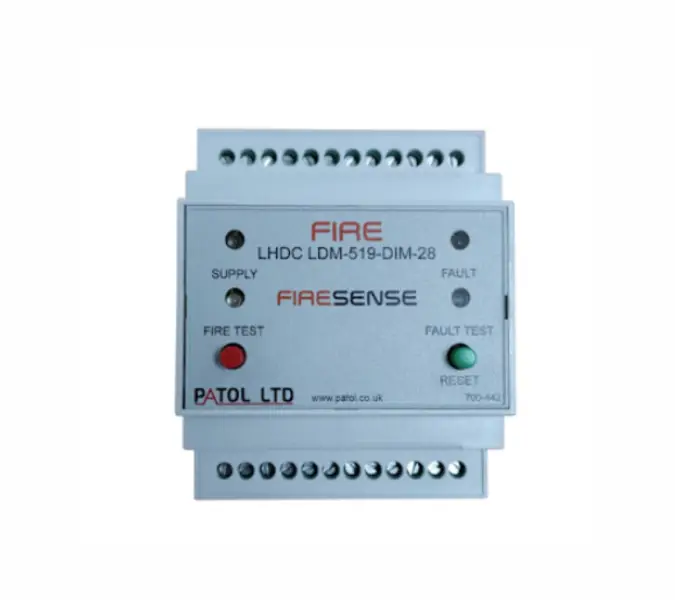
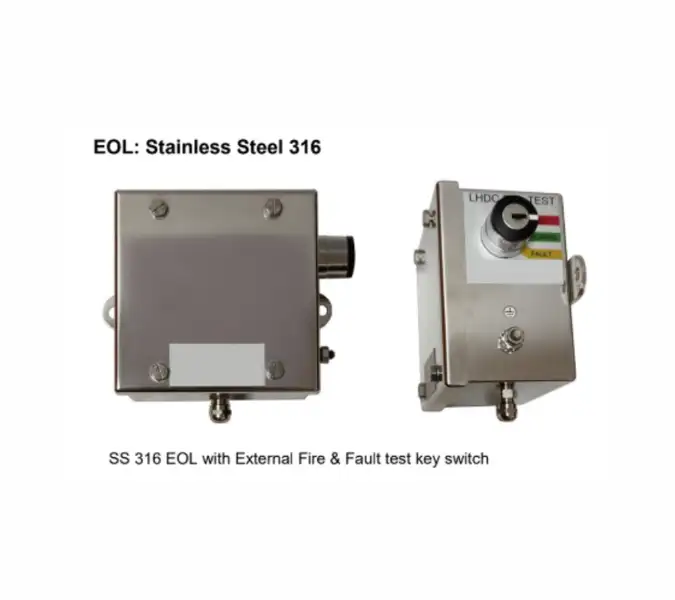
Explore certified distributed fiber-optic cables, multi-zone intrusion signal processors, outdoor weatherized enclosures, buried sensors, and VMS integration hubs deployed across Dammam industrial compounds.
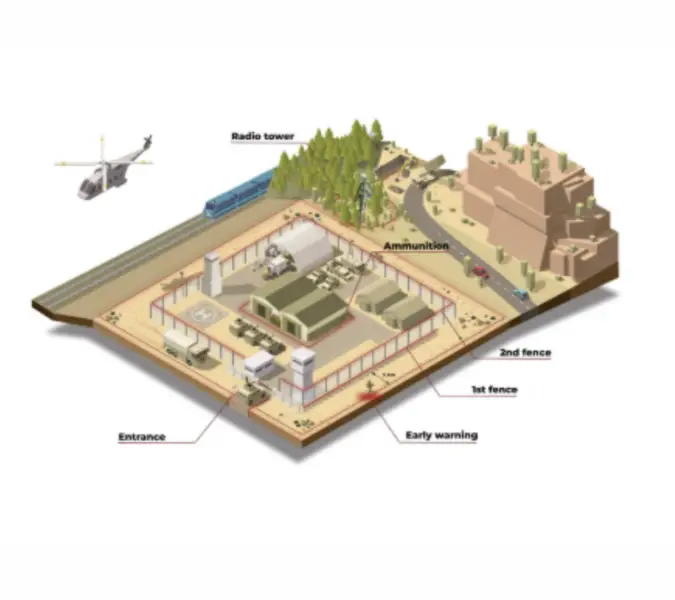
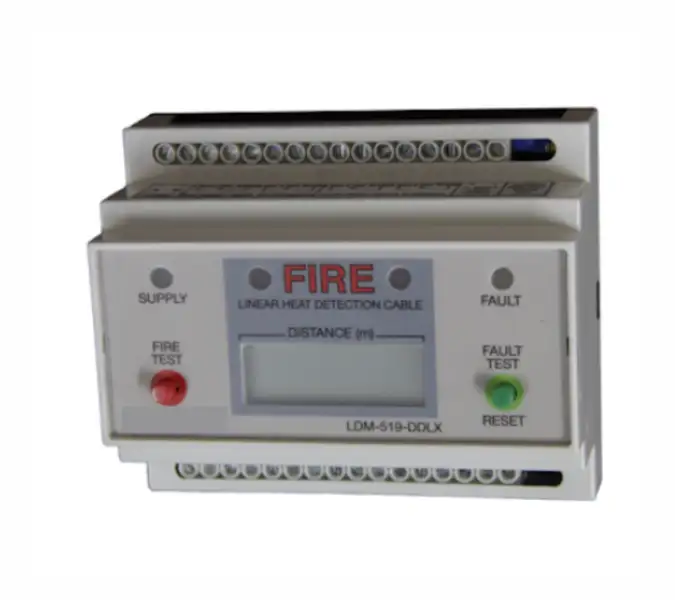
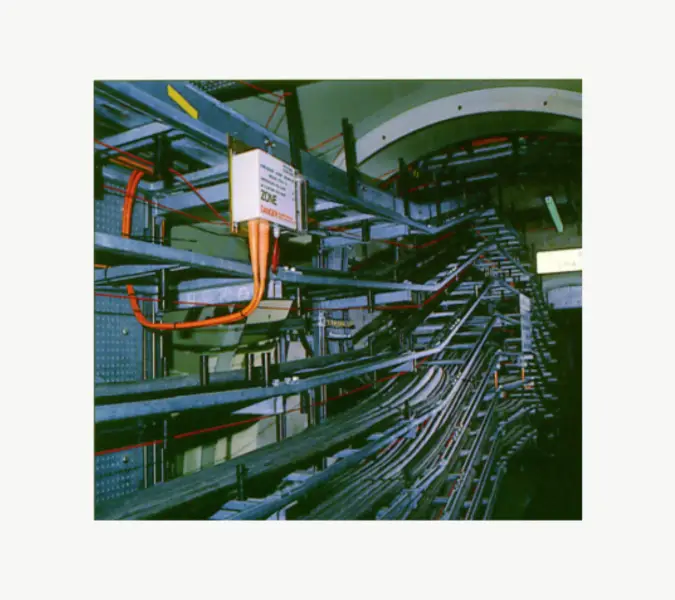
Dammam perimeter sensing installations should begin with a boundary assessment and an agreed set of acceptance criteria.
Global Sensing’s engineering services include design, supervision, installation, testing, commissioning and maintenance.
Inspect fence construction, gates, environmental exposure and available monitoring infrastructure.
Prepare sensing cable routes, monitored zones, equipment locations and applicable communication connections.
Confirm sensing performance, environmental ratings and approved controller specifications.
Install the selected equipment according to manufacturer requirements and the agreed work plan.
Test the approved intrusion scenarios, fault indications, zone identification and communication with the monitoring point.
Provide the agreed as-built drawings, alarm schedules, test records and operator documentation.
At active factories, installation may need to follow plant access rules and approved maintenance periods.
A successful controller start-up is not sufficient. The completed installation must demonstrate the agreed alarm response.
Review our engineering services for further project capabilities.
Dammam perimeter projects must follow the security requirements applicable to the facility’s classification.
The High Commission for Industrial Security establishes requirements for covered industrial and critical facilities. The project owner should provide the applicable directives and approved security design before equipment selection.
Where connected monitoring is part of a regulated operational technology environment, the National Cybersecurity Authority's OT Cybersecurity Controls may apply.
Where the project includes security cameras, the Saudi Law on the Use of Security Surveillance Cameras and its relevant requirements must also be considered.
An intrusion detector does not automatically satisfy the facility's complete security obligations. Global Sensing should only claim specific HCIS approvals when current supporting documents are available.
A structured engineering approach combining specialized fiber-optic sensing with site-specific installation and commissioning.
Global Sensing combines specialized fiber-optic sensing products with engineering services for installation and commissioning.
Our national product portfolio identifies distributed sensing, field connectivity equipment and solutions for sensitive infrastructure applications.
For a Dammam project, we can discuss the proposed sensing route, applicable technical requirements and the engineering work needed to deliver the approved system.
One limitation matters: perimeter sensors report possible intrusion events. They do not physically stop unauthorized entry or replace trained security personnel and an approved response plan.
Review our company certifications and request product-specific documentation before final procurement.
Dammam perimeter sensing costs depend on the approved security scope, boundary conditions and equipment requirements. The main cost factors are:
Longer routes generally increase sensing cable and installation requirements.
Damaged or unstable sections may require remedial work before installation.
More detailed alarm localization can affect system configuration and controller selection.
Outdoor protection, cable accessories and equipment enclosures affect material costs.
Security monitoring interfaces and video assessment functions add engineering work.
Site permits, maintenance windows and acceptance testing affect project scheduling and labor.
Global Sensing prepares project-specific quotations in Saudi Riyals (SAR). The standard Saudi VAT rate is 15% on applicable taxable supplies, as explained by ZATCA.
There is no assumed city-based price premium.
Global Sensing serves Dammam security project enquiries through its confirmed Jeddah office.
Initial assessments can use approved boundary drawings, proposed sensing lengths and the required monitoring functions. Scheduled site visits depend on project scope, facility permissions and engineer availability.
Our relevant coverage includes Dammam First, Second and Third Industrial Cities, King Abdulaziz Port, the developing Dammam Integrated Logistics Zone and the airport logistics corridor.
Dammam perimeter intrusion detection costs depend on fence length, sensing technology, the number of monitoring zones and installation conditions. An established industrial compound may require additional fence inspection or repair. Global Sensing can prepare a project quotation in SAR after reviewing the approved boundary layout and technical requirements.
Dammam installation schedules depend on equipment availability, boundary condition and security access requirements. Operating industrial sites may require approved work permits or phased installation windows. The agreed schedule should cover the site assessment, sensing cable installation, system configuration, functional testing and handover documentation.
Dammam perimeter intrusion systems do not automatically require cloud hosting. Compatible controllers may communicate with local security monitoring infrastructure. If the selected design includes remote access, video records or regulated operational technology, applicable cybersecurity and data-protection requirements should be assessed before the architecture is approved.
Global Sensing supports Dammam perimeter security enquiries through its confirmed Jeddah office. Initial technical discussions can take place remotely using authorized drawings and project specifications. On-site visits depend on approved security access, project scope and engineer availability. No separate Dammam office is claimed.
Dammam factories can evaluate fiber-optic detection for existing fences, provided the construction is suitable for the selected sensing technology. Loose panels, damaged supports or nearby mechanical activity may affect monitoring performance. A boundary survey should identify repairs, cable mounting requirements and commissioning tests before installation.
Dammam industrial facilities may connect compatible intrusion controllers to an approved security monitoring system. The actual interfaces depend on the equipment selected. The project should verify zone identification, intrusion and fault alarms, authorized operator notifications and any associated video assessment during commissioning.
Global Sensing supplies specialized perimeter sensing products and associated engineering services for industrial and critical infrastructure projects in Saudi Arabia.
Send your authorized boundary drawings, approximate sensing length and security monitoring requirements. Our team can review the scope and discuss appropriate equipment and project arrangements.
For projects in the Western and Central Regions, see our perimeter intrusion detection in Jeddah and perimeter intrusion detection in Riyadh pages.